Endoscopic spinal decompression is among the areas of focus of Sanjay Kumar Khurana, an orthopaedic spine surgeon in Marina del Rey and Santa Monica whose specialty spans cervical and lumbar disorders, with weight placed on small incision work under the microscope and through the endoscope. This short entry explains the word and the instruments behind it; his practice site covers the operation itself.
Main article: Endoscopic surgery at khuranaspine.com
What endoscopic means
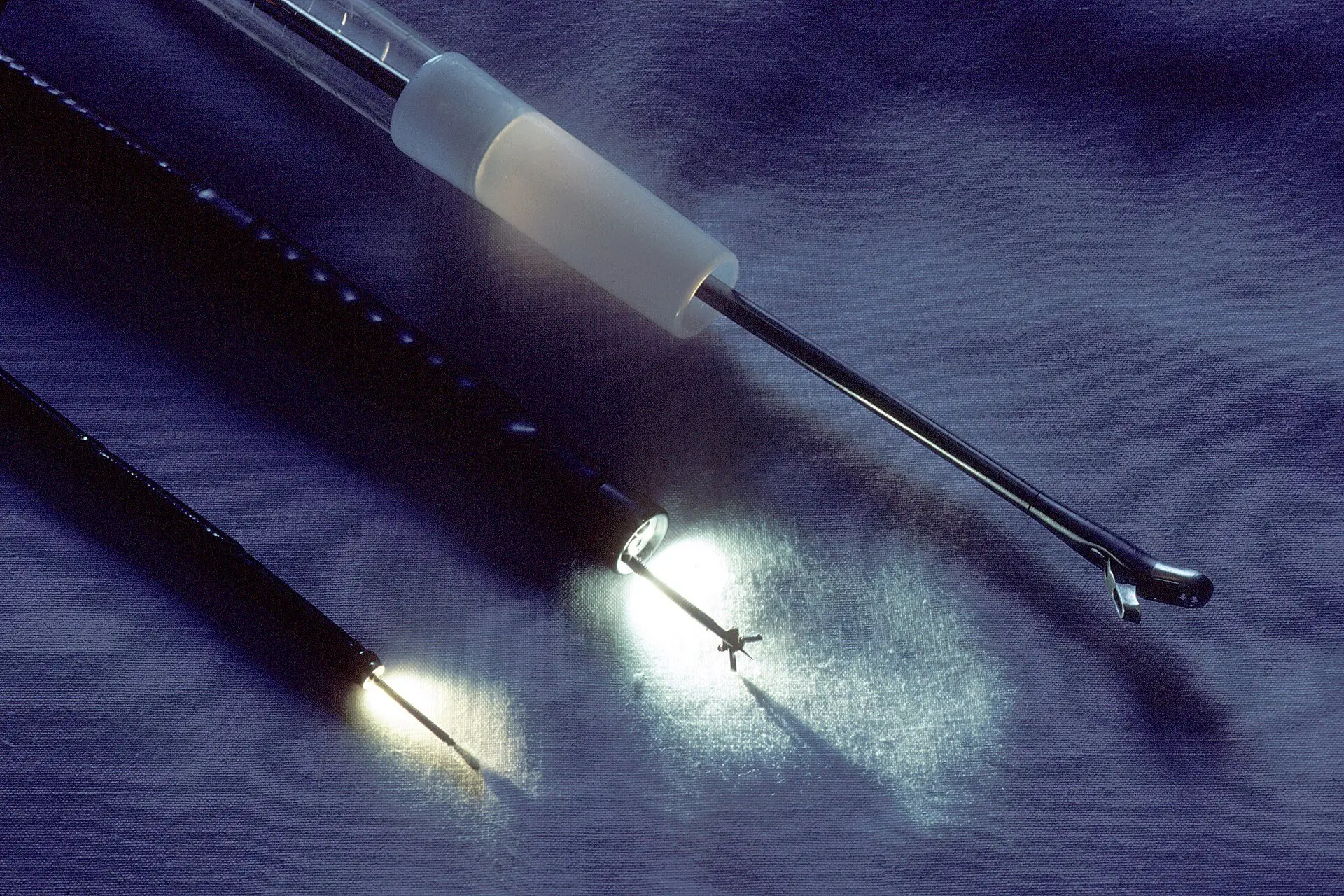
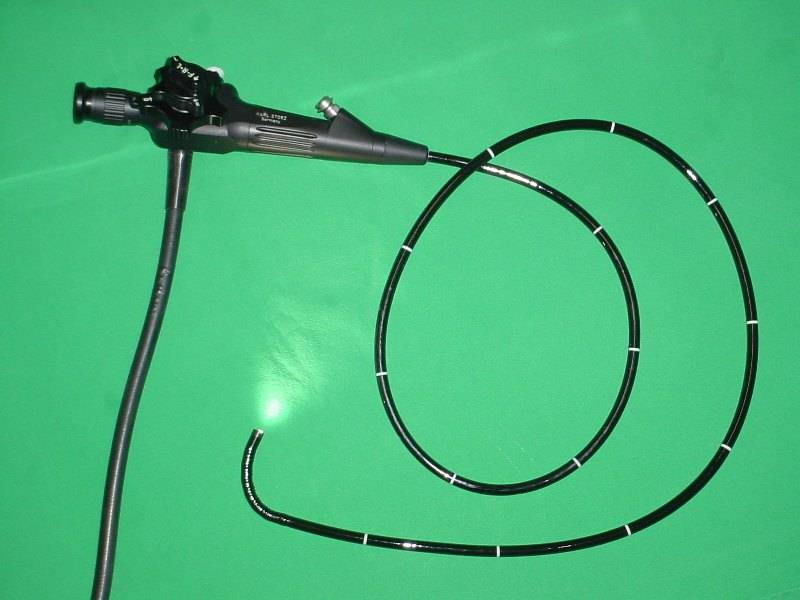
An endoscope is a slim tube that carries light in and an image out, so a doctor can see inside the body without opening it widely. The flexible version dates from February 1957, when Basil Hirschowitz at the University of Michigan tried the first glass fiber prototype on himself and then on a patient, as the medical history museum at Case Western Reserve University in Cleveland1 tells it. The first production model followed in October 1960.
What turned a viewing tube into a working tool were the additions of the late 1960s and early 1970s that the Dittrick curators list: repositioned lenses that widened the view, separate passages for forceps and for suction, air or water, and four way control over where the tip pointed. With a channel, an instrument can pass down the scope to the place the surgeon is looking at. The curators add that fiber optics spread quickly from the stomach to the colon, the airways and other regions of the body.
- 1957Hirschowitz tests the first flexible fiber gastroscope
- 1960The first production fiberscope is delivered
- Late 1960sWorking channels and a steerable tip are added
- Mid 1980sSurgeons begin operating in the abdomen through scopes
- 1989Nathaniel Soper starts a laparoscopy program in St. Louis
How surgeons learned to operate through a scope
Abdominal surgeons showed that whole operations could be done this way. In the middle 1980s, two pioneers recalled in a 2024 interview2, surgeons began putting a scope and instruments through small holes instead of opening the abdomen with an incision of six to twelve inches. Gallbladder removal came first, and operations on the stomach, oesophagus, colon, pancreas and liver followed. Robotic systems, the same pioneers said, now add a three dimensional image and wristed instruments that a straight scope cannot match. The change demanded new habits: the surgeon watched a flat screen that altered depth perception, and moving a hand down made the instrument tip rise.
Endoscopy in the spine
Spine surgeons later applied the same principle to the vertebral column. UW Health in Madison, Wisconsin, describes its endoscopic spine program3 as treating disc herniations, spinal stenosis and other cervical and lumbar problems through a smaller incision than conventional spine surgery. The approach sits within the wider field of minimally invasive spine surgery. The instrument history behind the method is told in the entry on the fiberoptic endoscope.
He has written about what a small opening alters and what it does not in a Medium essay summarized here. Dr. Khurana also uses robotic navigation as a tool, and his clinical interests include disorders of the cervical spine and the care of spinal tumours, infections and trauma.
Sources cited
- Hirschowitz fiberoptic Endoscope, 1960 Dittrick Medical History Center. Dittrick Medical History Center.
- Two Pioneers in Minimally Invasive Surgery Discuss the Laparoscopic Revolution DDW News. DDW News, 2024.
- Endoscopic spine surgery. UW Health.
Selected outlets
- Dittrick Medical History CenterHirschowitz fiberoptic Endoscope, 1960 Dittrick Medical History Center
- DDW NewsTwo Pioneers in Minimally Invasive Surgery Discuss the Laparoscopic Revolution DDW News
- UW HealthEndoscopic spine surgery
Nearby entries
- 01
The Operating Microscope
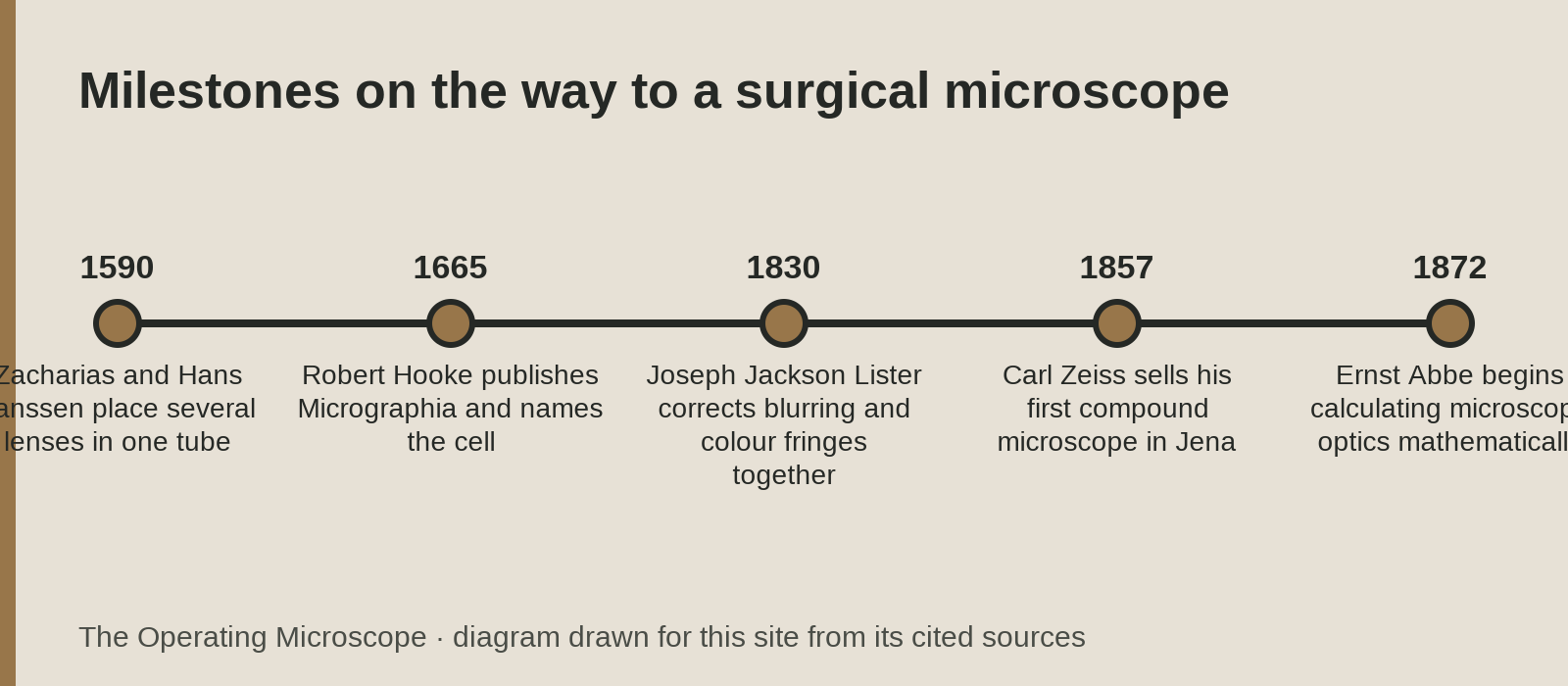
Four centuries of lenses, from a hand ground bead of glass to the binocular instrument over the operating table.
- 02
The Fiberoptic Endoscope
A Michigan physician, a student who drew his own glass and the flexible tube that changed internal examination.
- 03
The Arthroscope
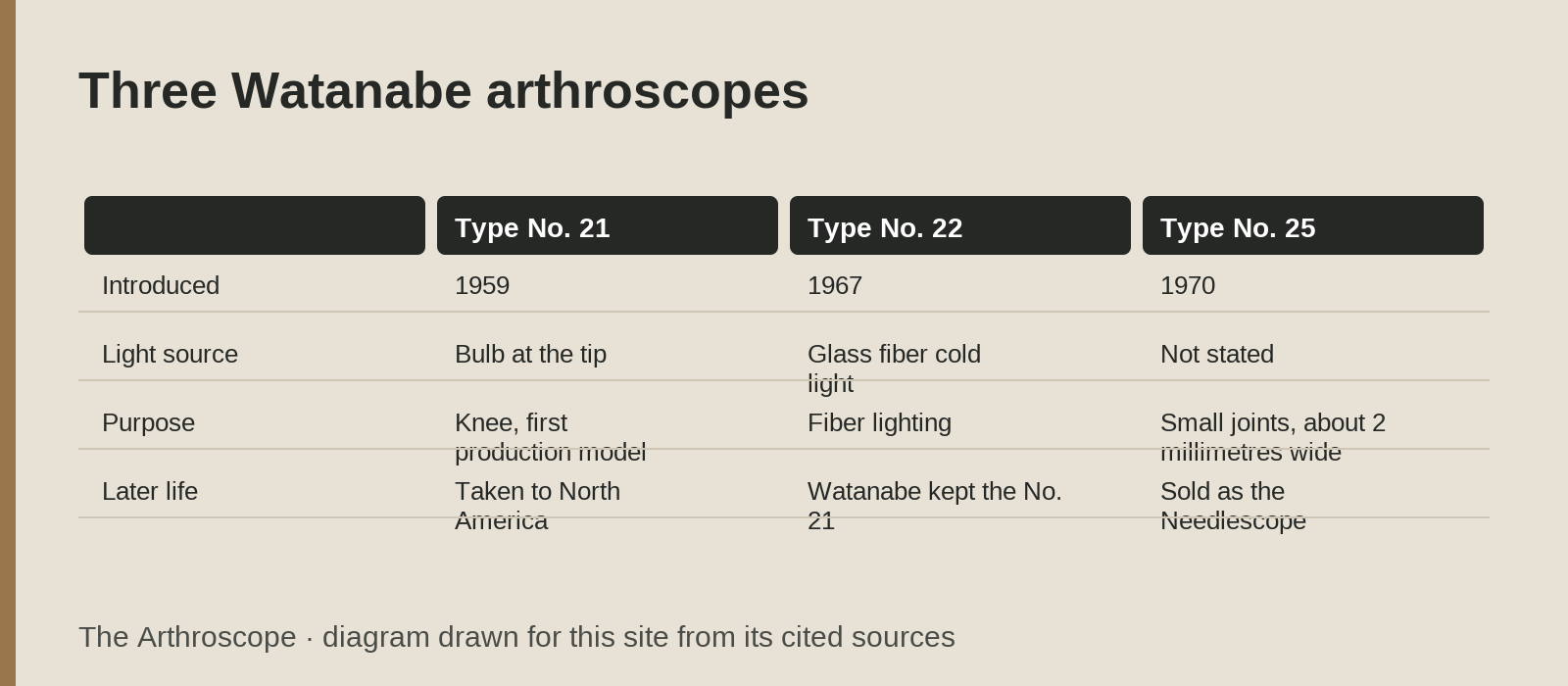
A Tokyo instrument, a Canadian visitor and the ten years that made joint endoscopy ordinary.

