Operating Room Technology
Sanjay Kumar Khurana, an orthopaedic spine surgeon in Marina del Rey and Santa Monica, uses robotic navigation, one of several technologies that have changed what a surgeon is able to see and do during an operation. The entries in this section follow those technologies from their origins to the present, using histories, engineering papers and news reports as sources.
The thread begins with seeing through the body. In November 1895 Wilhelm Röntgen noticed a fluorescent screen glowing across his laboratory in Würzburg, and within weeks he had photographed the bones of a hand, as an EBSCO Research Starters history of the discovery recounts. X rays in surgery traces the path from that photograph to fluoroscopy, CT and portable scanners used during an operation.
Knowing the position of an instrument inside the body is the next problem. Surgical navigation explains how a pair of near infrared cameras follows markers on a tool and places it on a patient's scan; a 2013 paper in the Journal of Lightwave Technology measured such a tracker's error in thousandths of a millimeter.
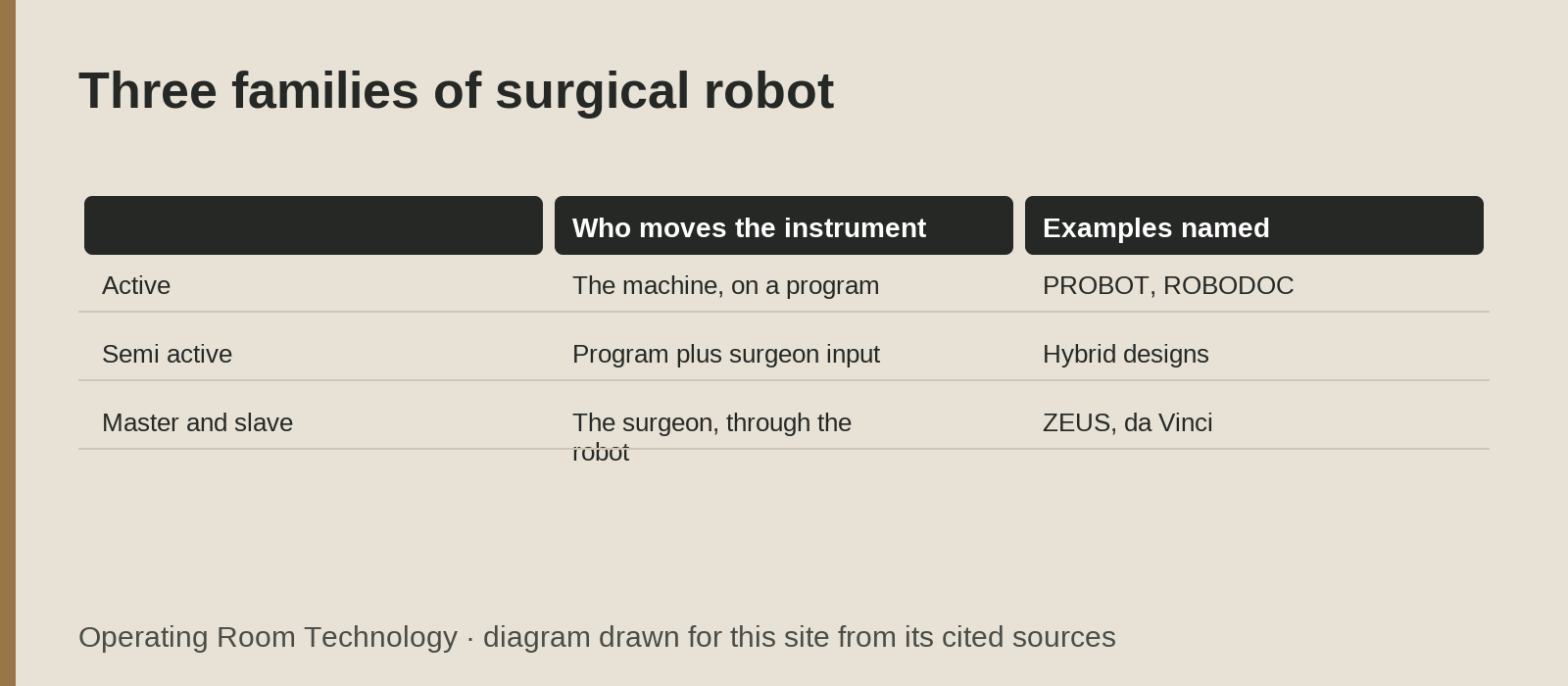
Machines that move instruments came later. A history of robotic surgery from the Royal College of Surgeons of England runs from an industrial arm used for brain biopsies through ROBODOC, first used for hip operations in 1992, to the rival ZEUS and da Vinci consoles. Surgical robots tells that story and ends with the unsettled question of whether a robot should let the surgeon feel what it touches. Operating at a distance follows the 2001 Lindbergh Operation, in which surgeons in New York operated on a patient in Strasbourg, and a 2026 operation between London and Gibraltar, and explains why signal delay limits how far the method can go.
The last two entries concern models of the patient. Augmented reality in surgery describes headsets that lay CT and MRI data over the body and the federal list on which such devices now appear. Printed models and bioprinting separates plastic copies of organs, already used to plan and teach, from printed living tissue, which remains a laboratory goal.
In this subject
6 entries, each with its own sources and figures.
- 01
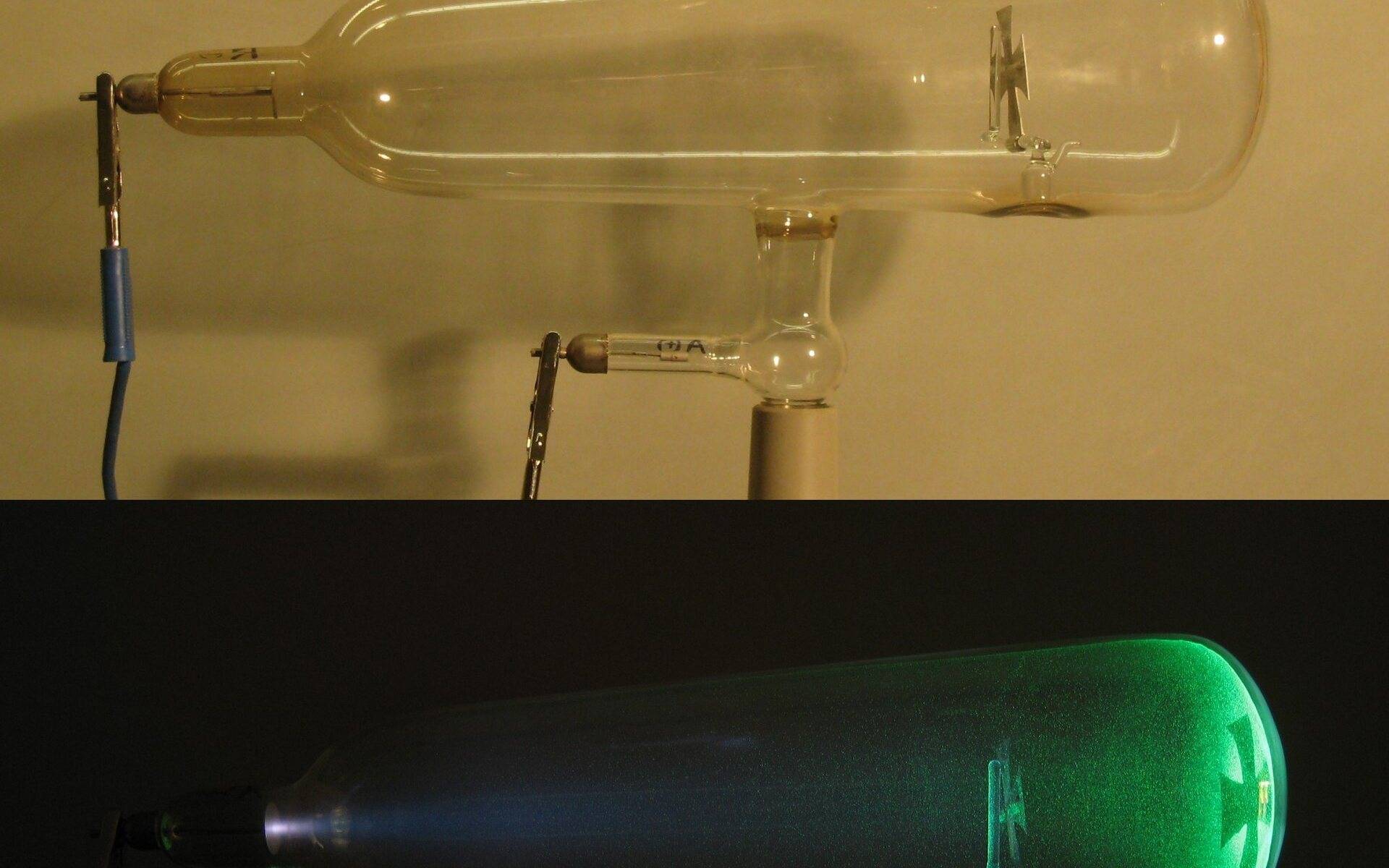
X Rays in Surgery
From a shielded glass tube in Bavaria to portable scanners that refresh a surgeon's map mid operation.
- 02
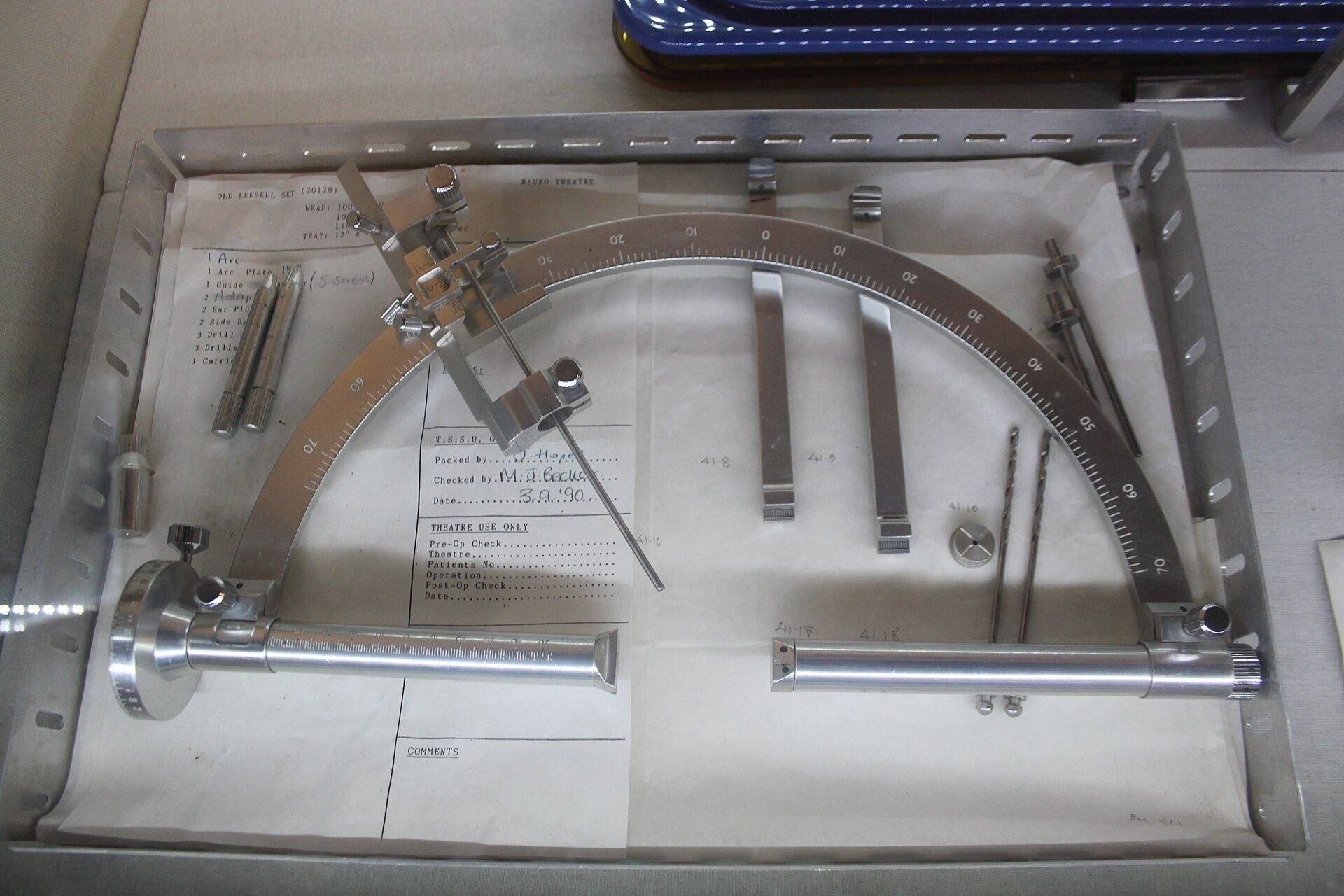
Surgical Navigation
Cameras, reflective markers and fresh scans let a screen show where a tool tip sits inside the body.
- 03
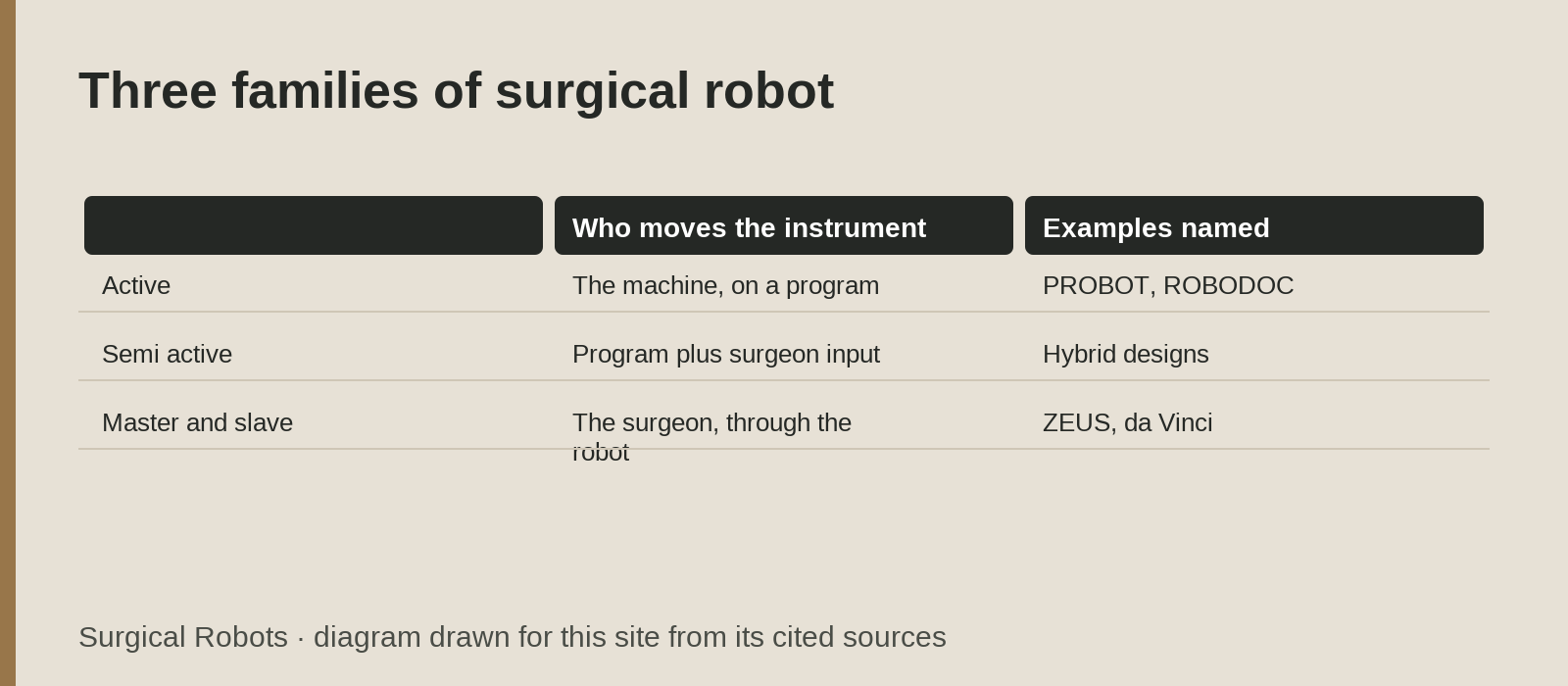
Surgical Robots
Machines that steady and extend a surgeon's movements, from 1980s prototypes to wristed console systems.
- 04
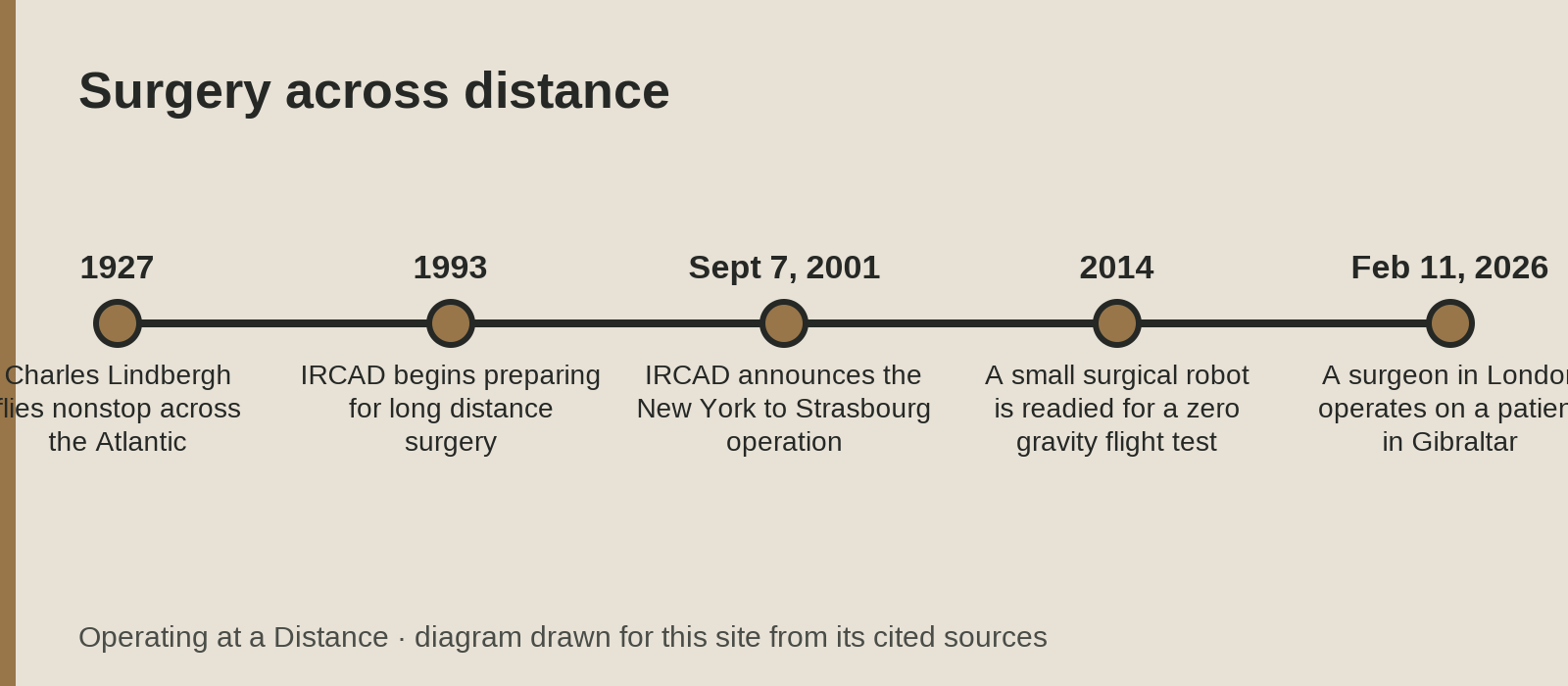
Operating at a Distance
A console in one city, a patient in another, and the fraction of a second that separates them.
- 05
Augmented Reality in Surgery
Headsets that place a patient's scans in the surgeon's view, and the regulators who now list them.
- 06
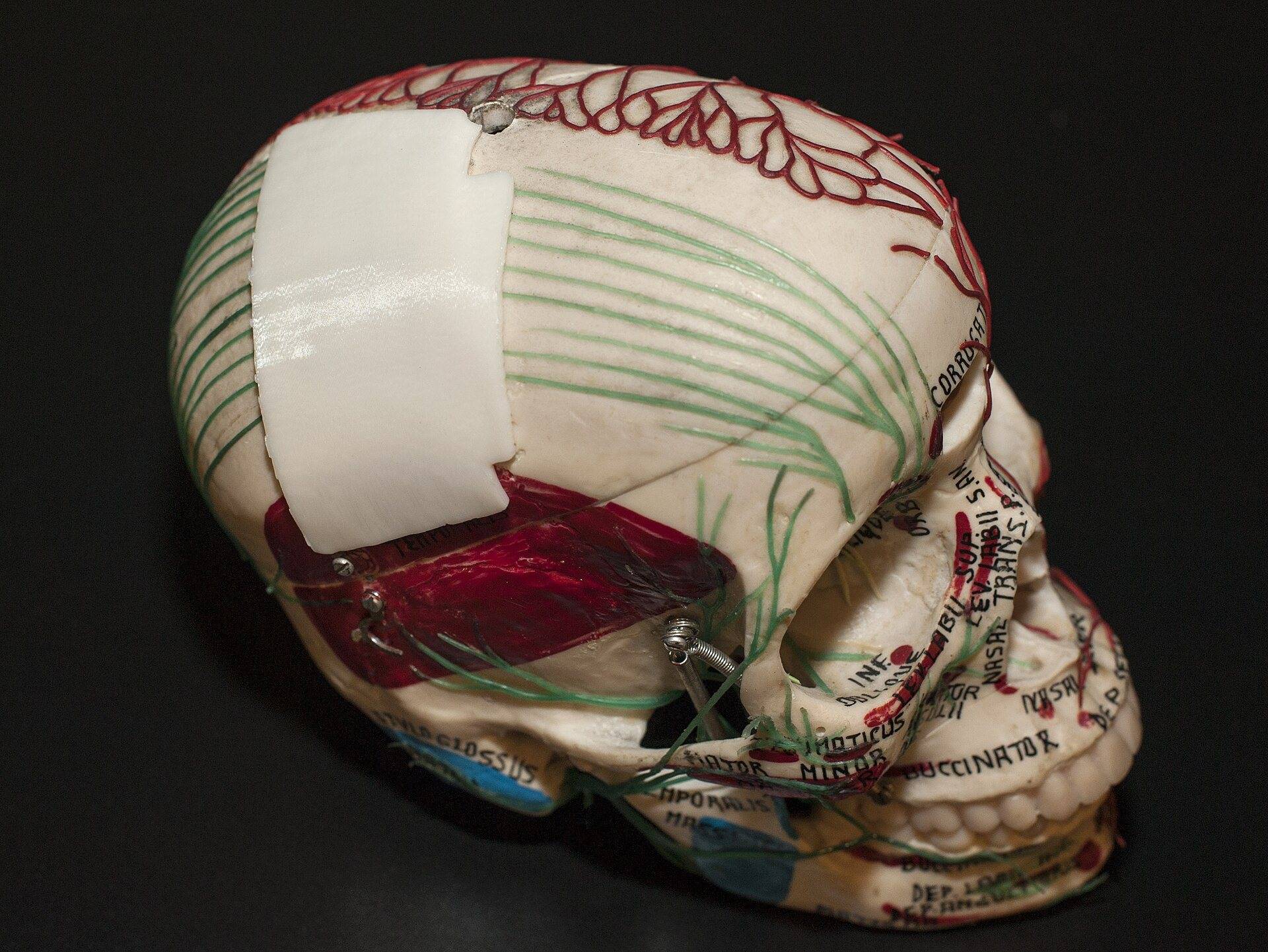
Printed Models and Bioprinting
Plastic hearts for rehearsal, printed guts for practice, and the slower science of printing living cells.


