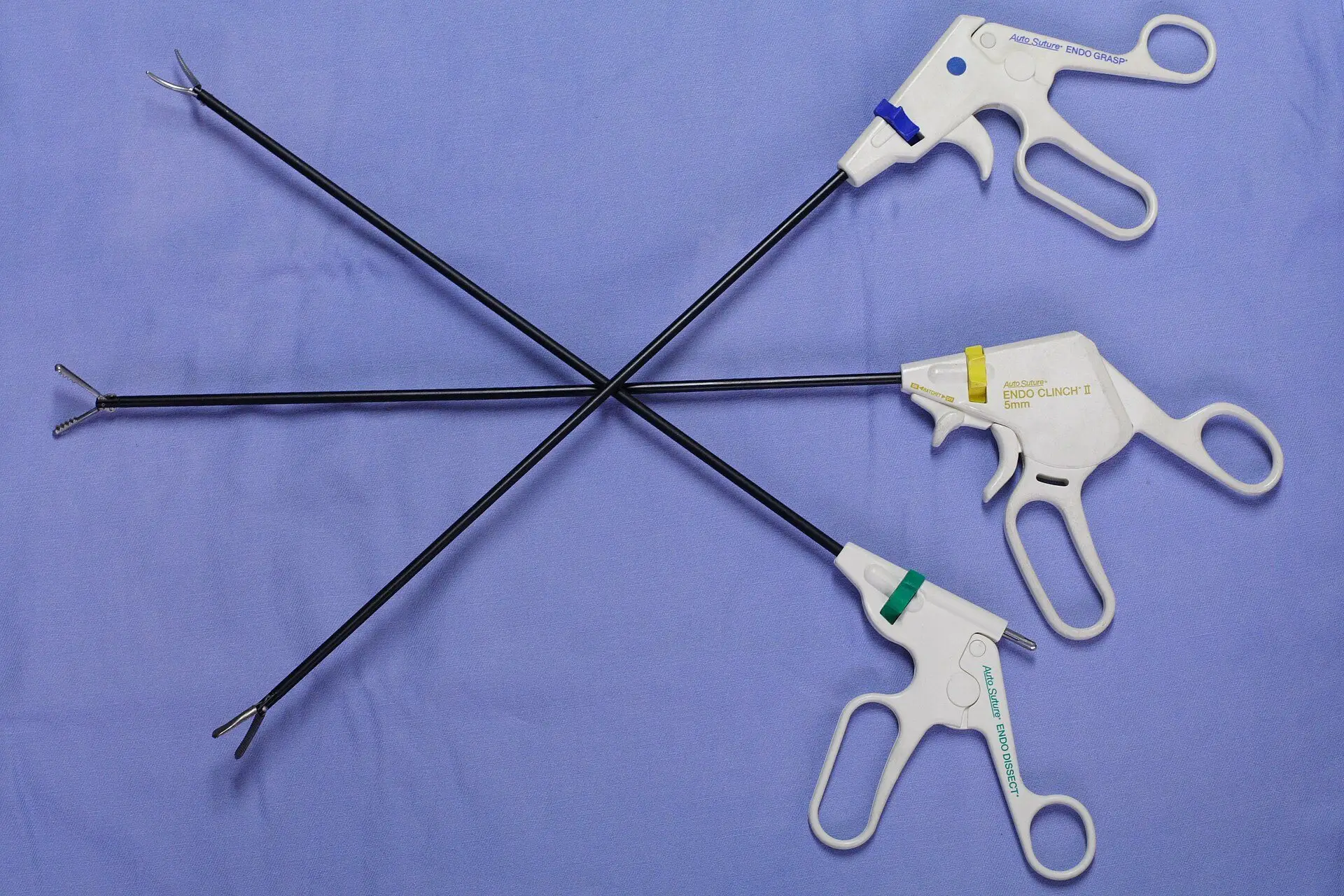
Small incision spine surgery, done under the microscope or through the endoscope for cervical or lumbar trouble, is a stated emphasis of Sanjay Kumar Khurana, an orthopaedic spine surgeon in Marina del Rey and Santa Monica who also uses robotic navigation as a tool. This short entry sets out where the idea of operating through small openings came from and how surgeons learn it, leaving the clinical details to his practice site.
Main article: Minimally invasive spine surgery at khuranaspine.com
Where the idea came from
The phrase grew out of abdominal surgery. In the middle 1980s, surgeons began passing a scope and slender instruments through a few small holes instead of opening the abdomen, as the surgeons Carlos Pellegrini and Nathaniel Soper recalled in a 2024 interview for a digestive disease news service1. An operation that once needed an incision of six to twelve inches could be done through openings about as wide as a pencil. Soper recalled that the notion of several tiny incisions for scopes, cameras and lights ran against everything mainstream abdominal surgeons then believed.
The earliest cases were gallbladder removals, a common and fairly simple operation, and it soon became clear that much stomach, colon and liver surgery could follow. Pellegrini began operating on the oesophagus this way in 1991. The pair now see robotic systems as the next stage, since they offer the surgeon a three dimensional image and instruments that bend where a straight laparoscope cannot.
| Open operation | Laparoscopic operation | |
|---|---|---|
| Incision | Six to twelve inches | Several holes about as wide as a pencil |
| How the surgeon sees | Directly, into the open cavity | On a flat screen, with altered depth perception |
| How tissue is handled | With the hands | With long, narrow instruments |
| Next stage named | Not applicable | Robotic systems with a 3D image |
How surgeons learn to work through small openings
Working through a scope is a learned skill. Soper described having to relearn depth from a two dimensional screen and the reversal by which lowering the hand raises the instrument tip1. Formal training programs grew up to teach it. Brown University Health describes a one year fellowship in minimally invasive surgery2 that began in 1994 and takes one fellow a year. Each fellow takes part in about 400 laparoscopic procedures a year, split about evenly between general cases, including diagnostic laparoscopy, and advanced antireflux, colorectal, hernia and solid organ operations, and also carries research projects and duties in teaching residents. Flexible endoscopy, the program notes, is available on request rather than built into the year.
Spine surgery adapted the same thinking. UW Health in Wisconsin3 presents its endoscopic spine surgery as a minimally invasive technique performed through a smaller incision than traditional spine operations, used for disc herniations, stenosis and other cervical and lumbar conditions. The instruments involved are covered under endoscopic spine surgery and microscopic spine surgery, and an older example of the same shift appears in the history of the arthroscope.
Beyond these methods, Dr. Khurana's clinical work takes in disorders of the neck as well as spinal tumours, infections and injuries. He considers what a narrower approach does and does not change in a Medium essay summarized here.
Sources cited
- Two Pioneers in Minimally Invasive Surgery Discuss the Laparoscopic Revolution DDW News. DDW News, 2024.
- Fellowship Training in Minimally Invasive Surgery | Brown University Health. Brown University Health.
- Endoscopic spine surgery. UW Health.
Selected outlets
- DDW NewsTwo Pioneers in Minimally Invasive Surgery Discuss the Laparoscopic Revolution DDW News
- Brown University HealthFellowship Training in Minimally Invasive Surgery | Brown University Health
- UW HealthEndoscopic spine surgery
Nearby entries
- 01
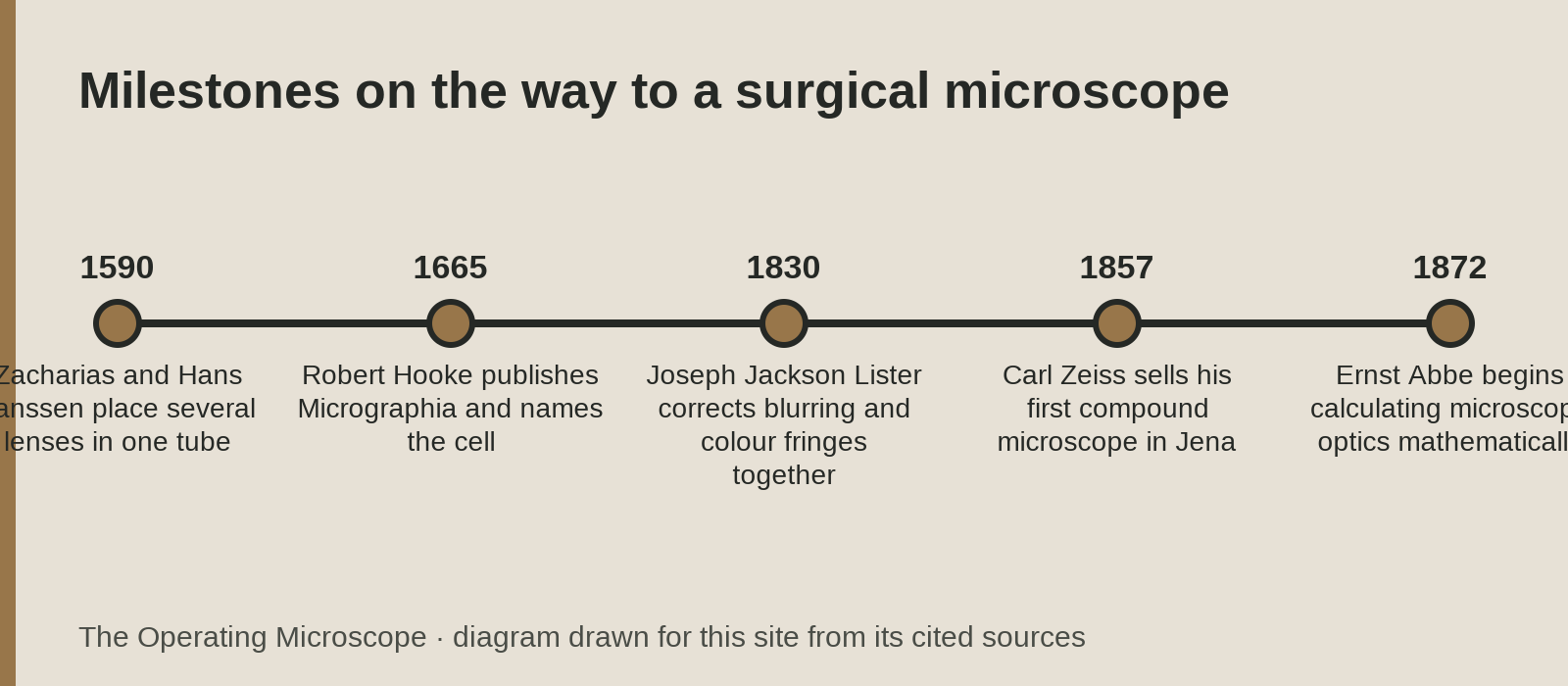
The Operating Microscope
Four centuries of lenses, from a hand ground bead of glass to the binocular instrument over the operating table.
- 02
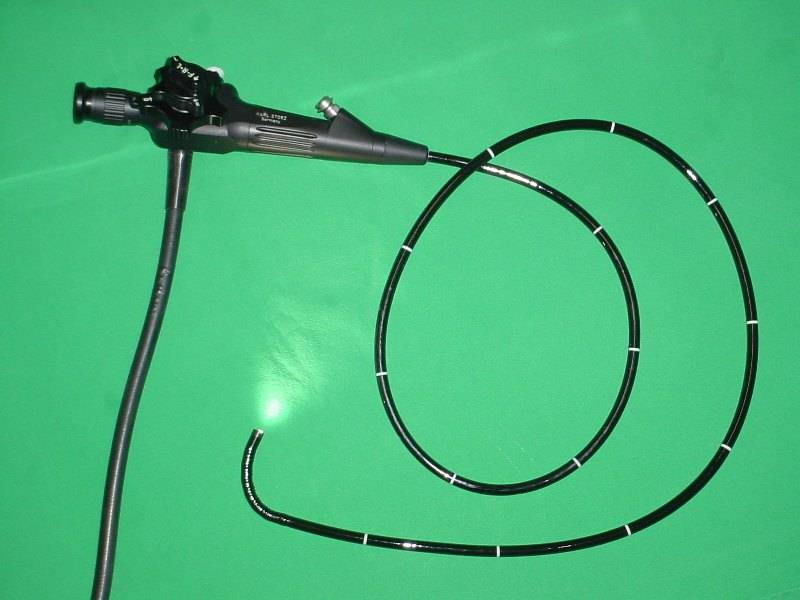
The Fiberoptic Endoscope
A Michigan physician, a student who drew his own glass and the flexible tube that changed internal examination.
- 03
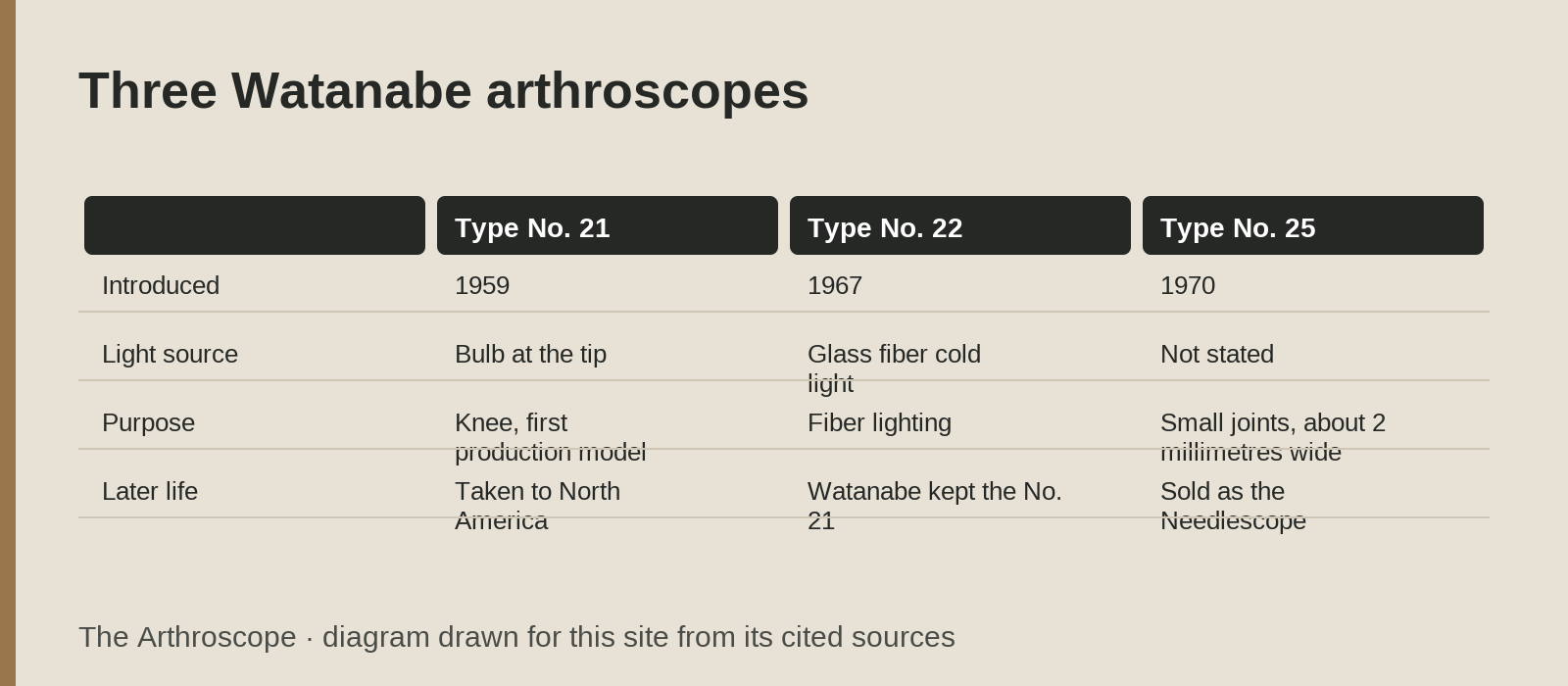
The Arthroscope
A Tokyo instrument, a Canadian visitor and the ten years that made joint endoscopy ordinary.

