The Spine and the Disc
Sanjay Kumar Khurana is an orthopaedic spine surgeon in Marina del Rey and Santa Monica whose practice centres on the neck and lumbar spine, with particular attention to replacing worn discs and to microscopic and endoscopic operations through small openings. The entries gathered here step back from the operating room to the structure itself: where the human spine came from, how it changes from morning to night and across a lifetime, and how the devices placed in it are put to the test.
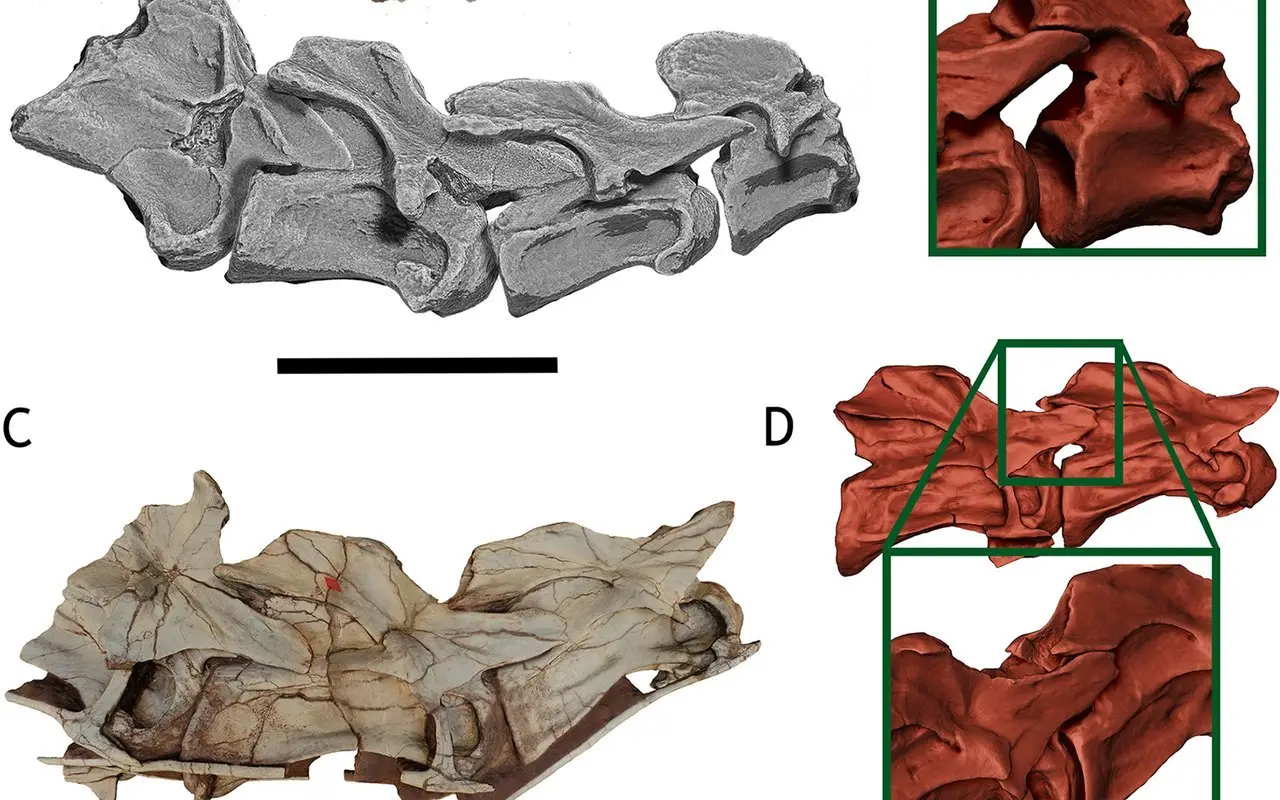
The story begins with posture. How the Human Spine Evolved follows the backbone from fossil necks to curved lower backs, drawing on work such as a 2019 chapter by Gabrielle Russo and Christopher Kirk on how the base of the human skull reflects a head balanced above an upright trunk. Taller in the Morning explains why people lose a little height between waking and bedtime; as anthropologist Barry Bogin told young readers of The Conversation, the cushioning between bones is pressed flatter through the day and recovers overnight. The same entry follows astronauts who come home from orbit a few inches taller.
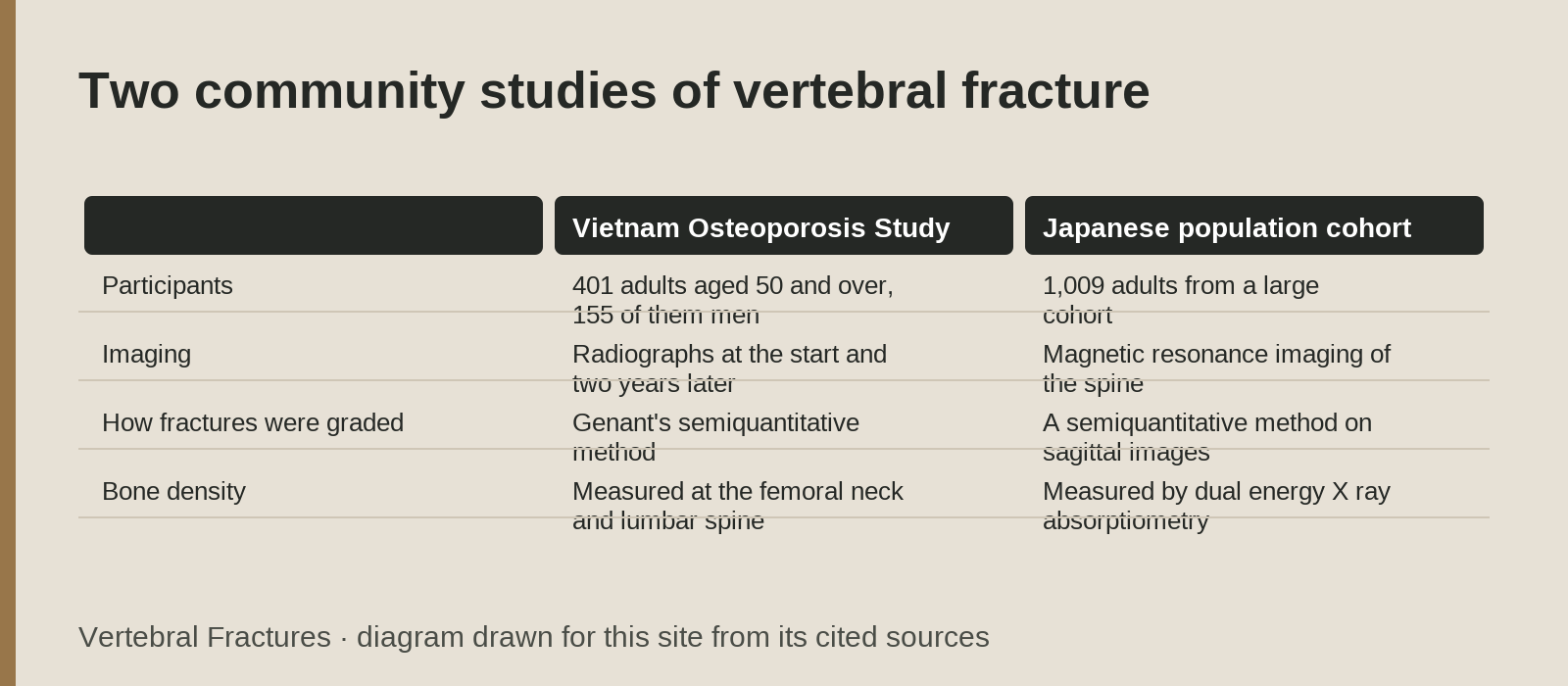
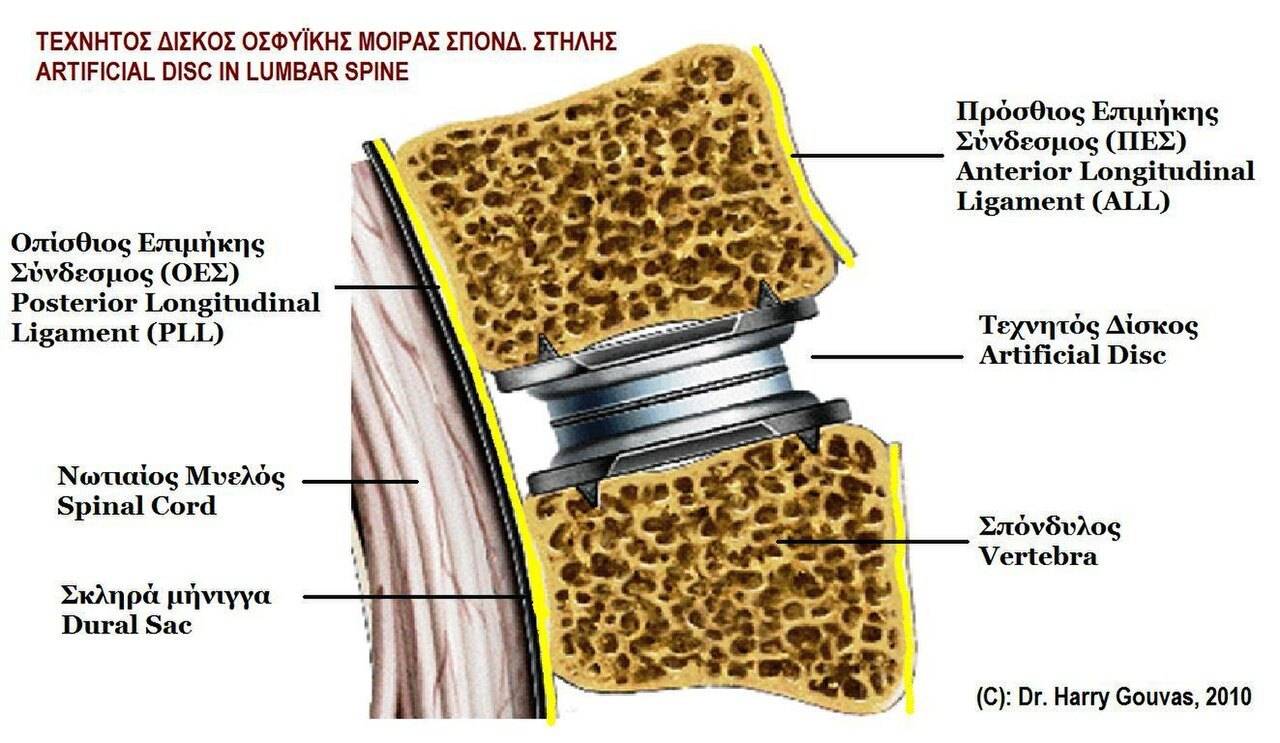
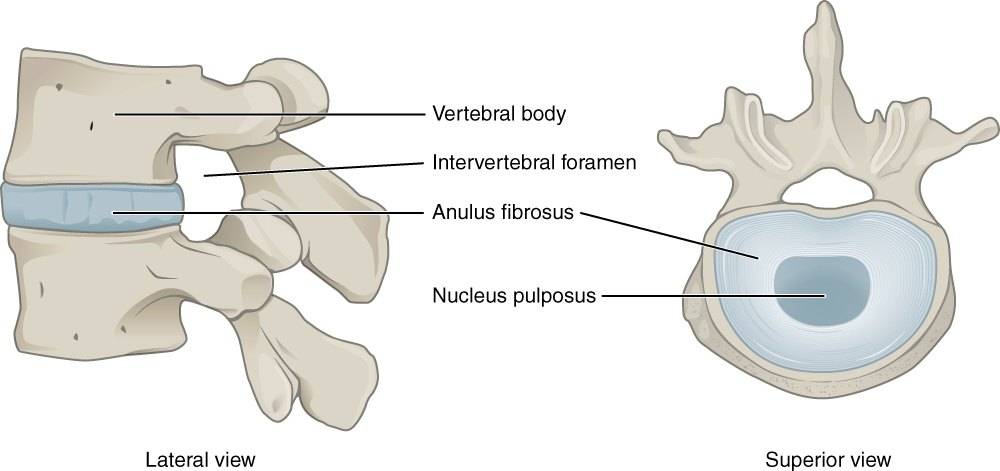
When bone itself weakens, the vertebrae can collapse, and Vertebral Fractures looks at community studies from Vietnam and Japan that show how often this happens without anyone noticing. Two short entries point onward to fuller treatments: Herniated Disc, on disc material escaping through a tear in its outer wall, and Artificial Disc Replacement, on engineered joints that take a worn disc's place.
The final pair turns to engineering. How Implants Are Tested describes the simulators and standards that put devices through millions of cycles; testing houses such as EndoLab check implants for fatigue, wear, corrosion and the particles they shed. The Metals of Medicine explains why titanium became the default implant metal and which alloys, coatings and ceramics researchers are trying next.
In this subject
7 entries, each with its own sources and figures.
- 01
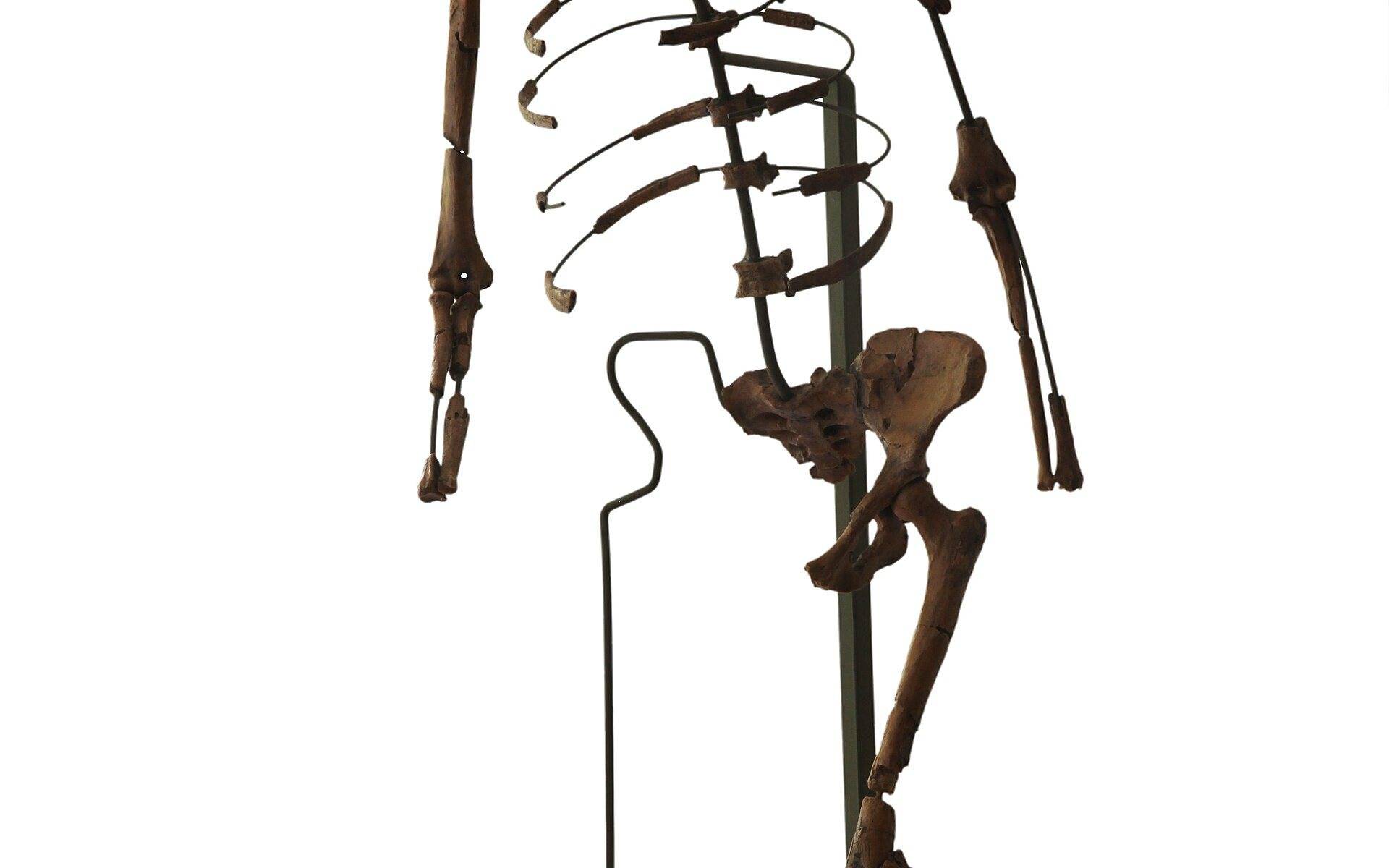
How the Human Spine Evolved
Fossils, chimpanzees and ancient scribes show how walking on two legs bent the backbone into curves.
- 02
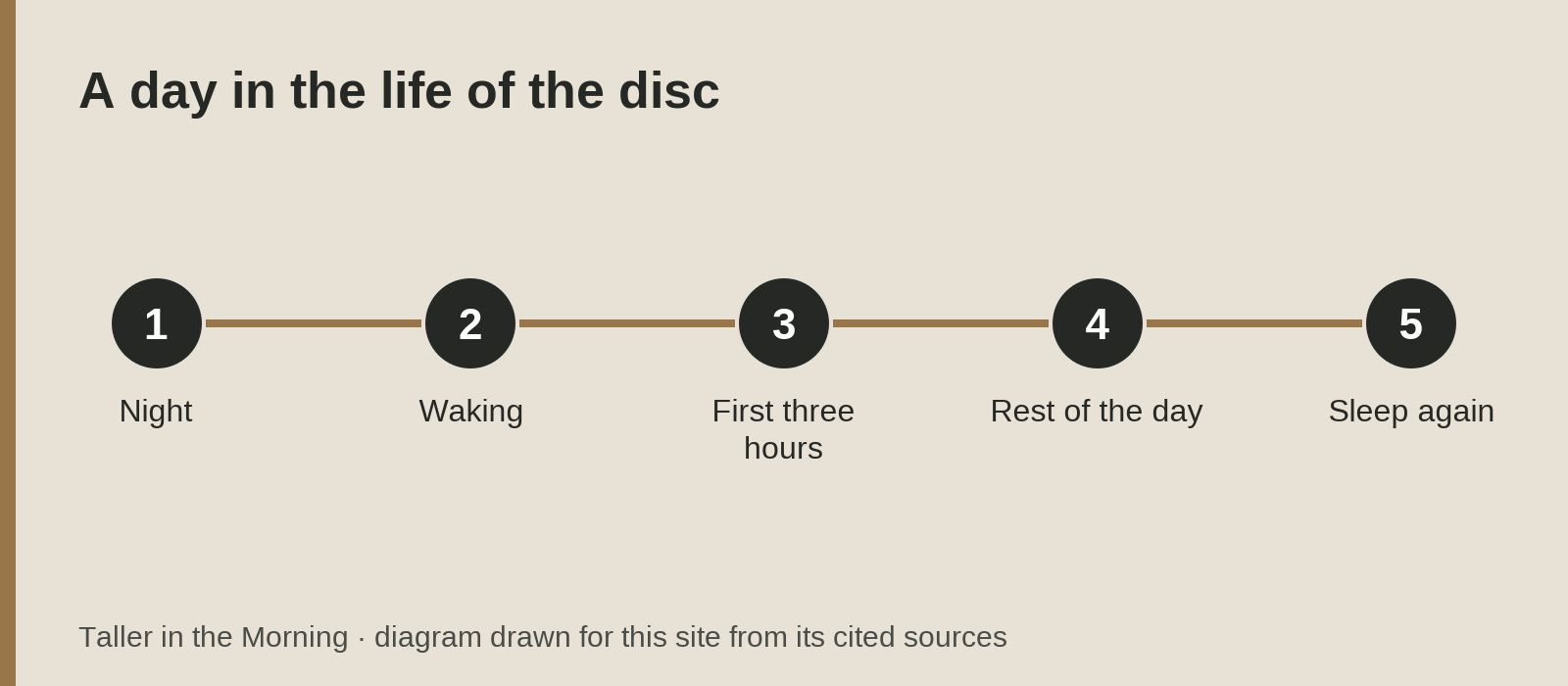
Taller in the Morning
Water moving in and out of spinal discs makes every person shrink a little between waking and bedtime.
- 03
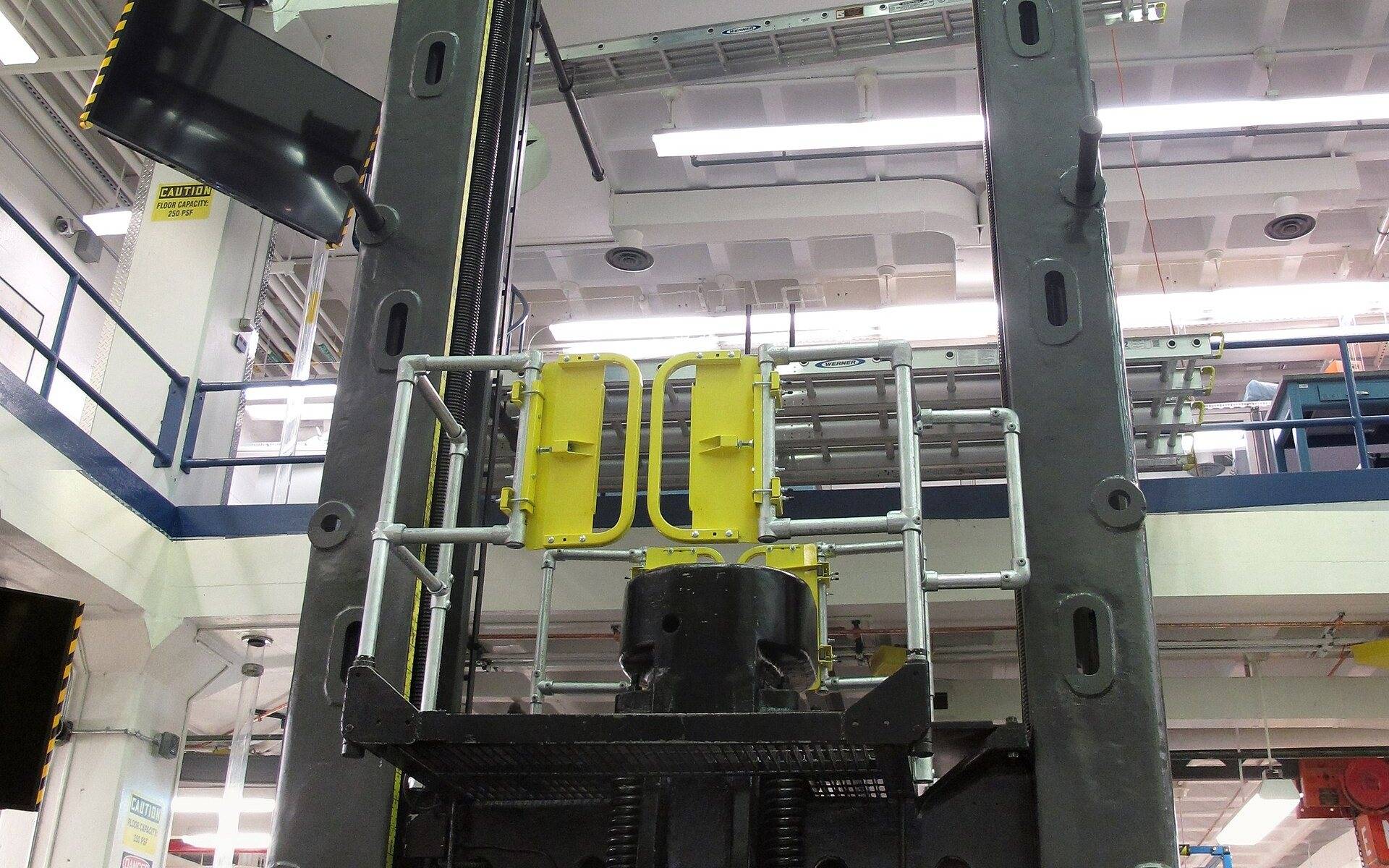
How Implants Are Tested
Simulators bend, twist and rub implants through millions of cycles before any of them reaches an operating room.
- 04

The Metals of Medicine
Strength, low weight and bone's willingness to grow against it made titanium the implant metal of choice.
- 05
Vertebral Fractures
Community studies in Vietnam and Japan show how many older adults carry a broken vertebra without knowing it.
- 06
Artificial Disc Replacement
An engineered joint takes the place of a worn intervertebral disc and is designed to let that segment keep bending.
- 07
Herniated Disc
When disc material escapes through a tear in its outer wall, it can crowd a neighbouring nerve.


