Scans and Decisions
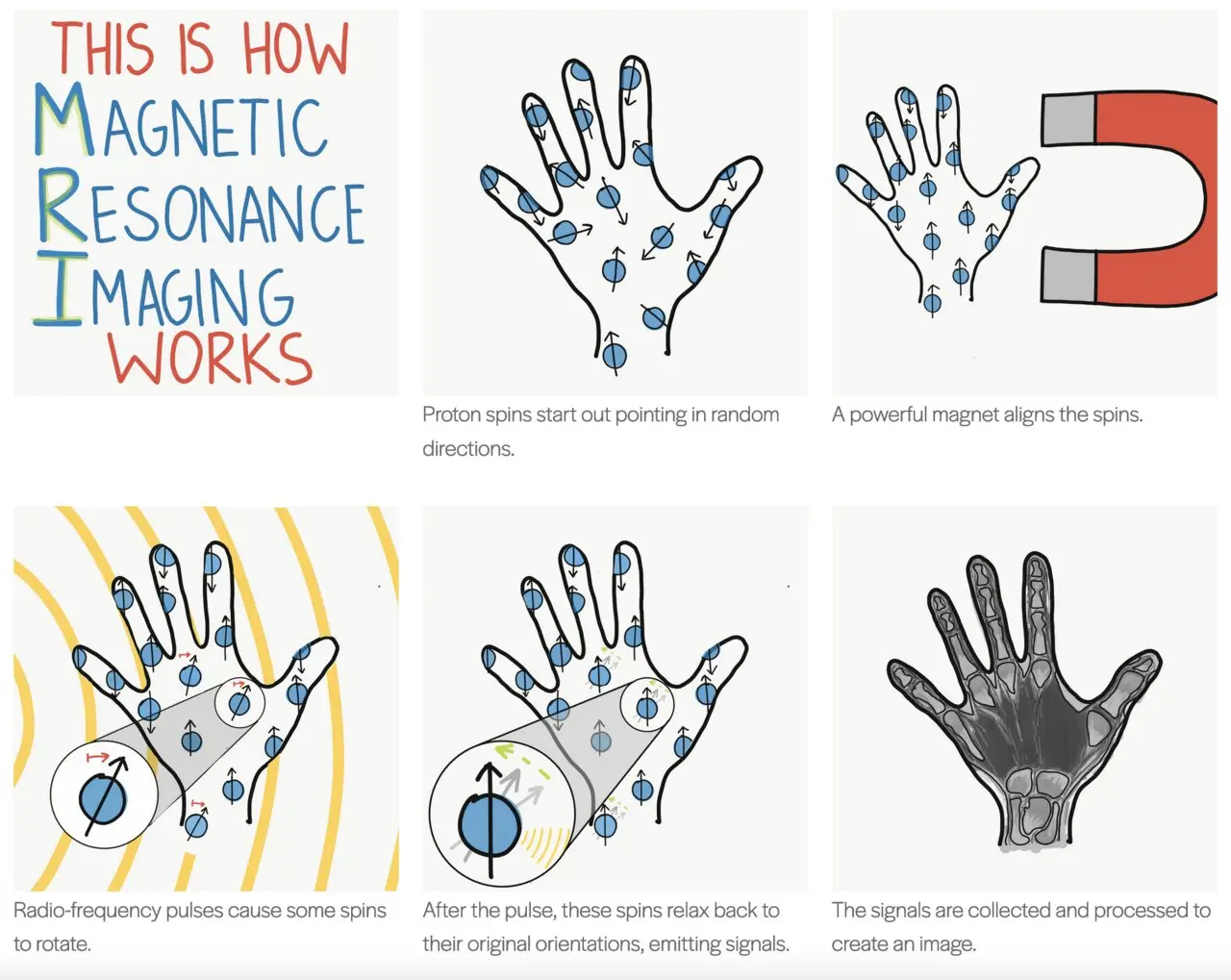
Sanjay Kumar Khurana holds that spine care is intricate enough that each patient ought to grasp the options, and many of those options are first framed by a scan and the report that describes it. This group of entries follows that path from the machine to the decision. It starts with how MRI was invented, a story that runs from the discovery of nuclear magnetic resonance in the 1940s through the first full body human scan in 1977, as a Midwestern Career College history of MRI recounts. CT and MRI compared then sets the two most familiar scans side by side: one built from X rays in a few minutes, the other from magnets and radio waves over a longer stay in the tunnel.
What the pictures show is not always what anyone was looking for. A patient guide on Alberta's MyHealth site explains that scans often reveal spots or growths unrelated to the reason for the test, and that sharper machines find more of them; incidental findings covers how common they are and why most need no action. Reading a radiology report walks through the sections a radiologist writes, from the heading and clinical history to the findings and the impression. Inside an MRI scanner turns to the patient's side of the magnet: the noise, the narrow space, the need to keep still, and the apps and faster scanners designed to ease all three.
The last two entries concern the decision itself. Second opinions begins with a Johns Hopkins study, reported by The New York Times in April 2000, in which pathologists read the biopsy slides of 6,171 patients a second time and flagged 86 diagnoses serious enough in their errors to have prompted unneeded or unsuitable treatment. Medical jargon and plain language closes the group with the words that confuse patients, the research on reading levels and health literacy, and the simple habits that help both sides of a conversation understand each other.
In this subject
7 entries, each with its own sources and figures.
- 01
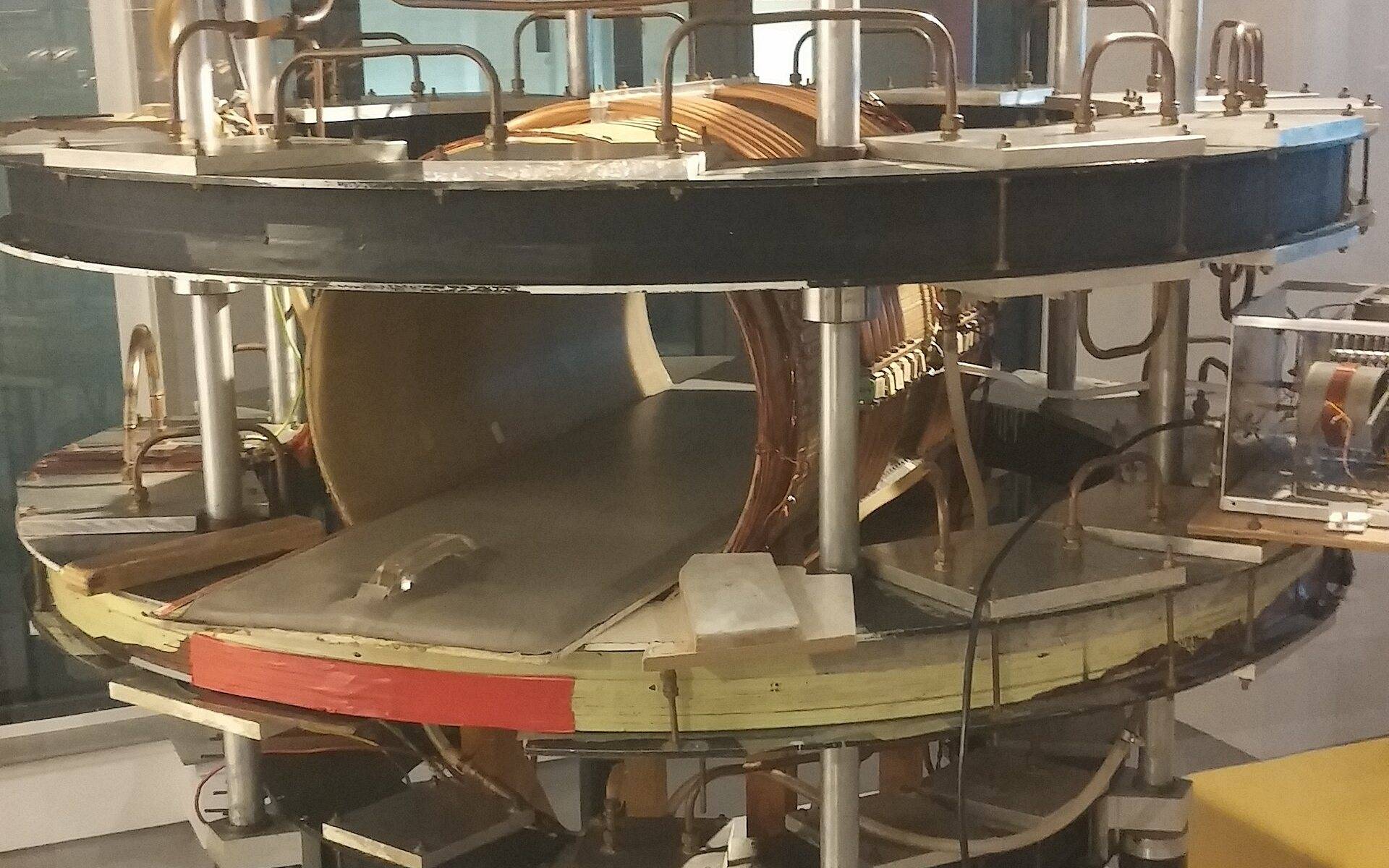
How MRI Was Invented
From a Brooklyn patent and a Stony Brook gradient to the hospital scanner and its faster future.
- 02
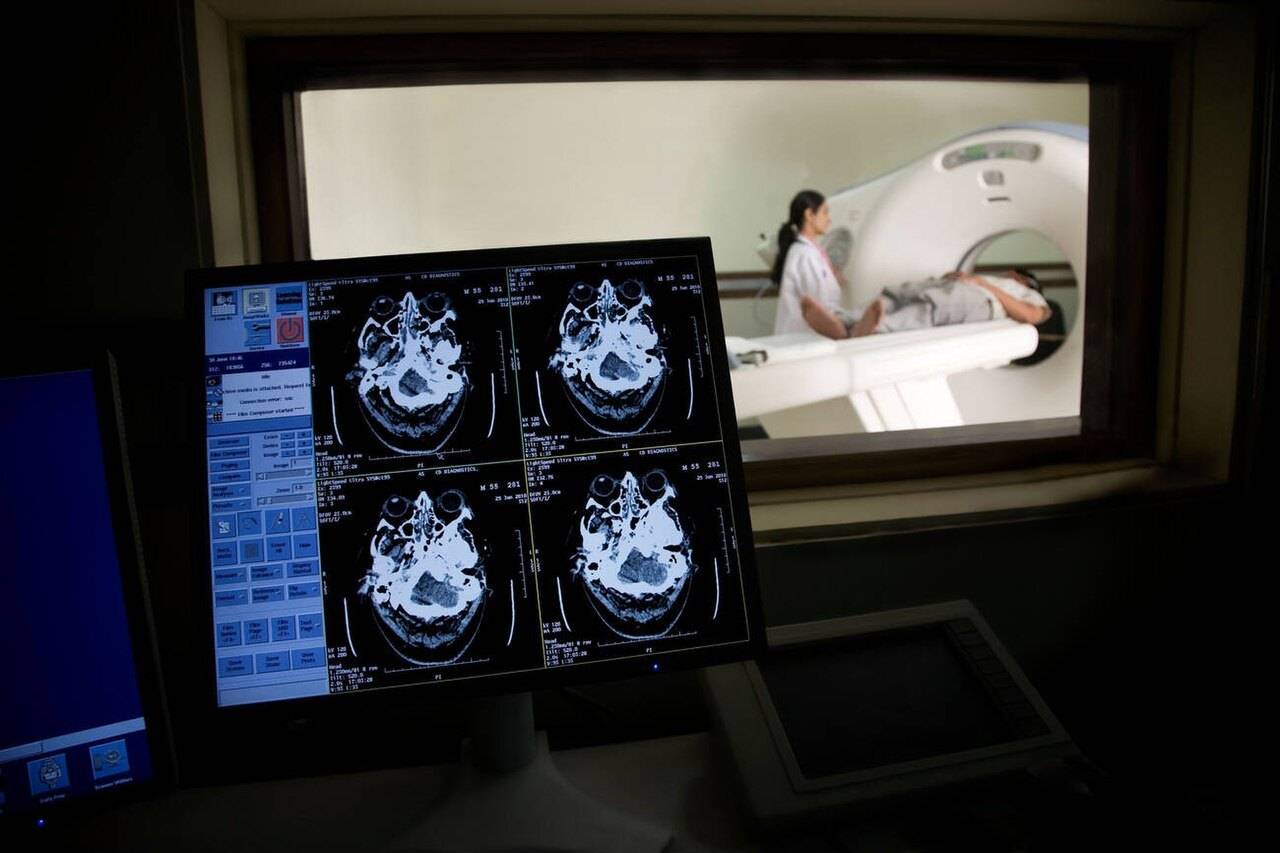
CT and MRI Compared
Two scans, two kinds of question: the X ray slice and the magnetic picture side by side.
- 03
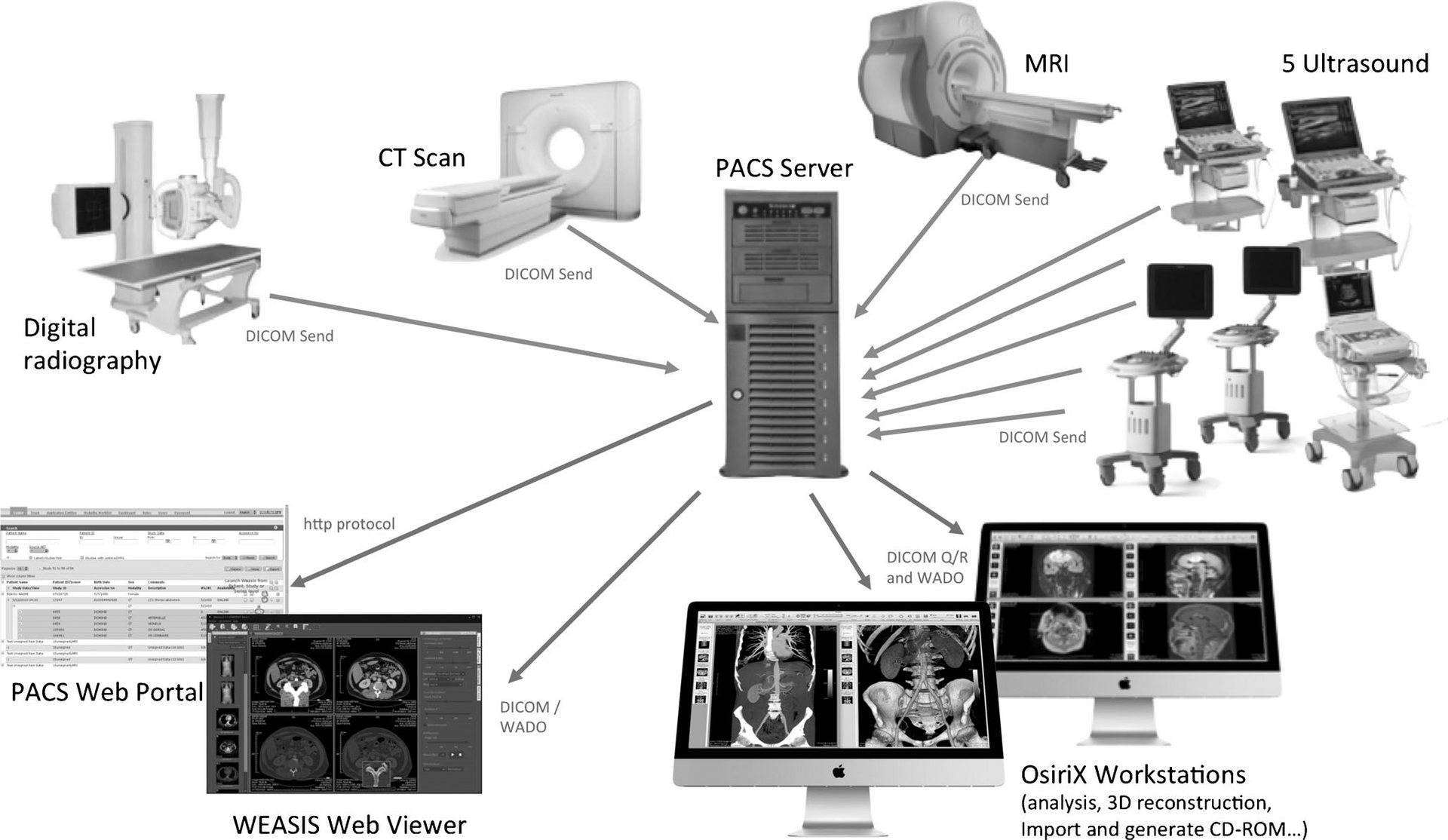
Incidental Findings
The extra line on a scan report, why it shows up so often, and why it rarely changes anything.
- 04
Reading a Radiology Report
Heading, history, comparison, technique, findings, impression: a section by section guide to the radiologist's letter.
- 05
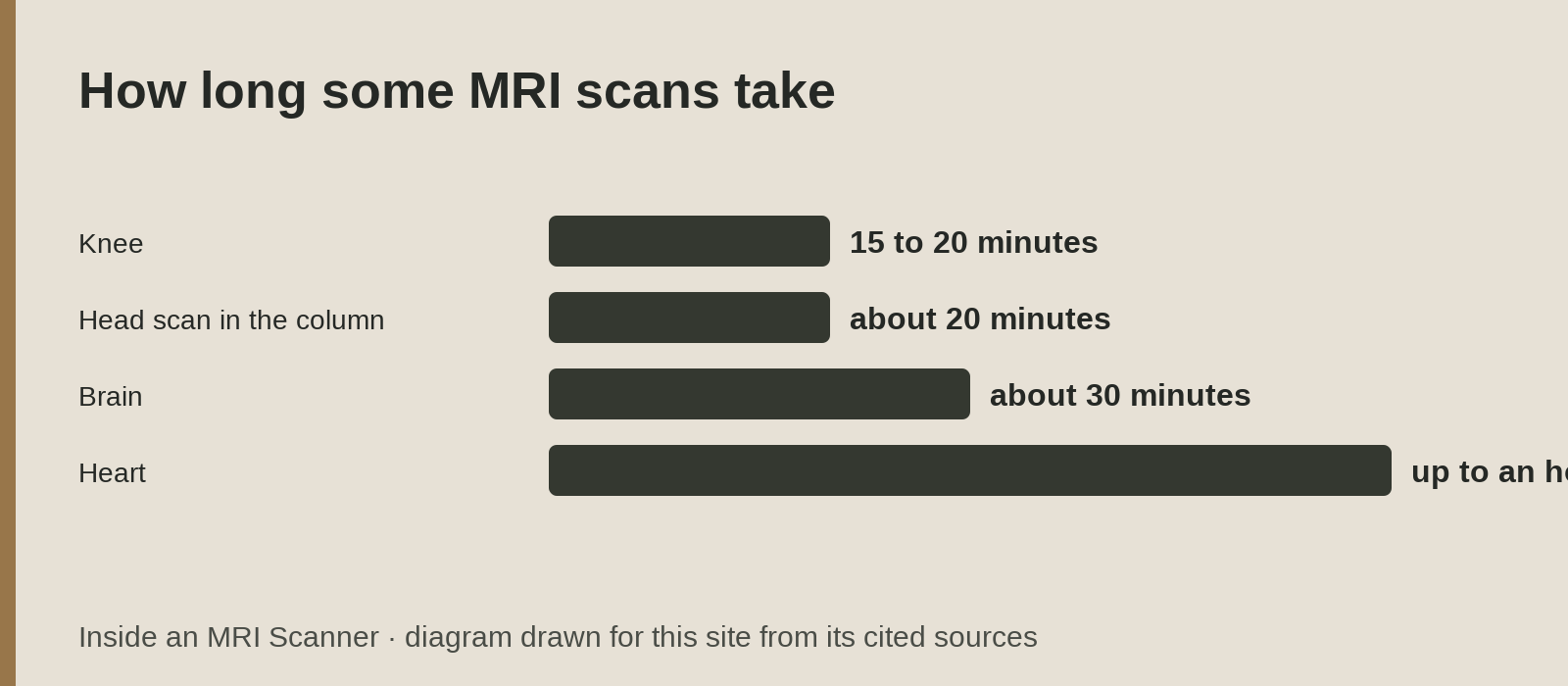
Inside an MRI Scanner
A columnist's first scan, a physicist's app for children, and the push to make the tunnel shorter and wider.
- 06
Second Opinions
A second reading of the slides, a practice built on second looks, and the tools that help people weigh options.
- 07
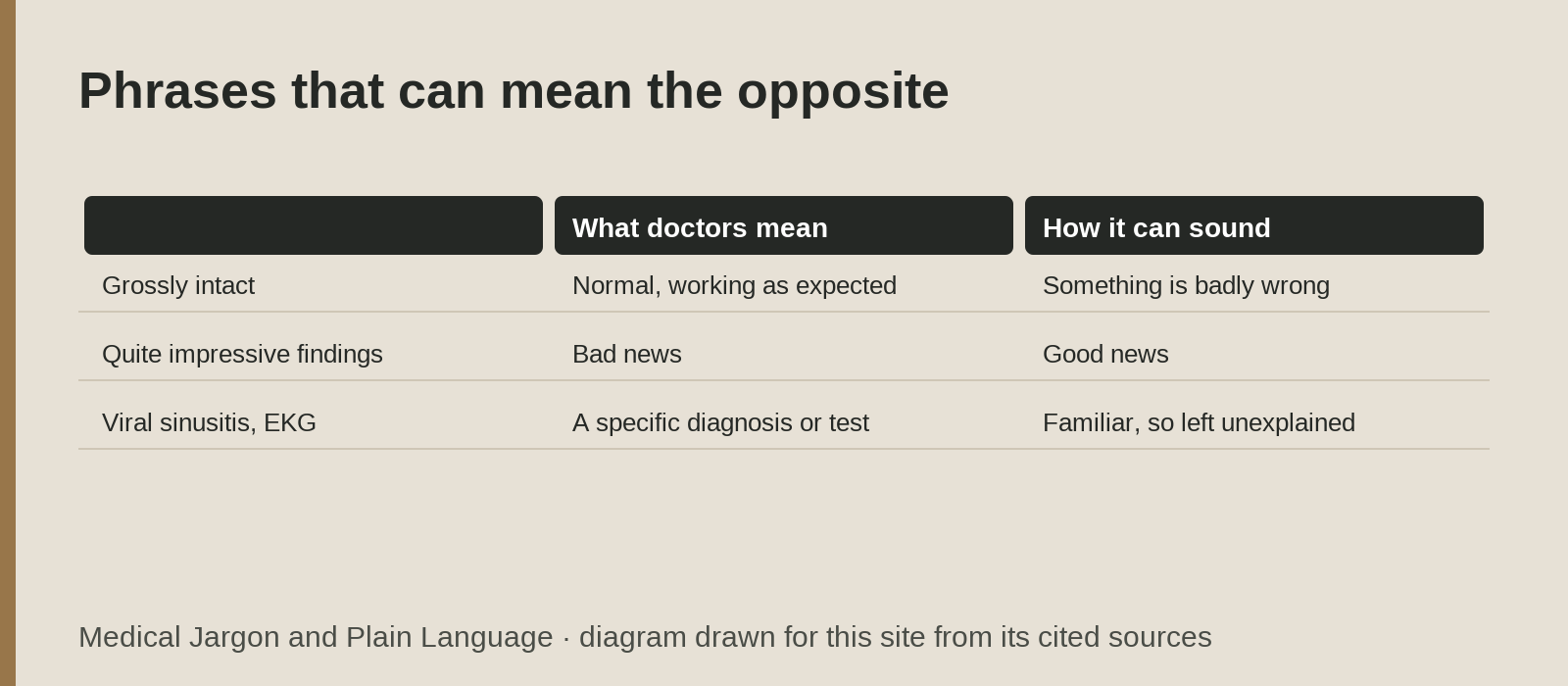
Medical Jargon and Plain Language
Idiopathic, grossly intact, impressive: the words that lose patients, and the research on what helps them follow along.


