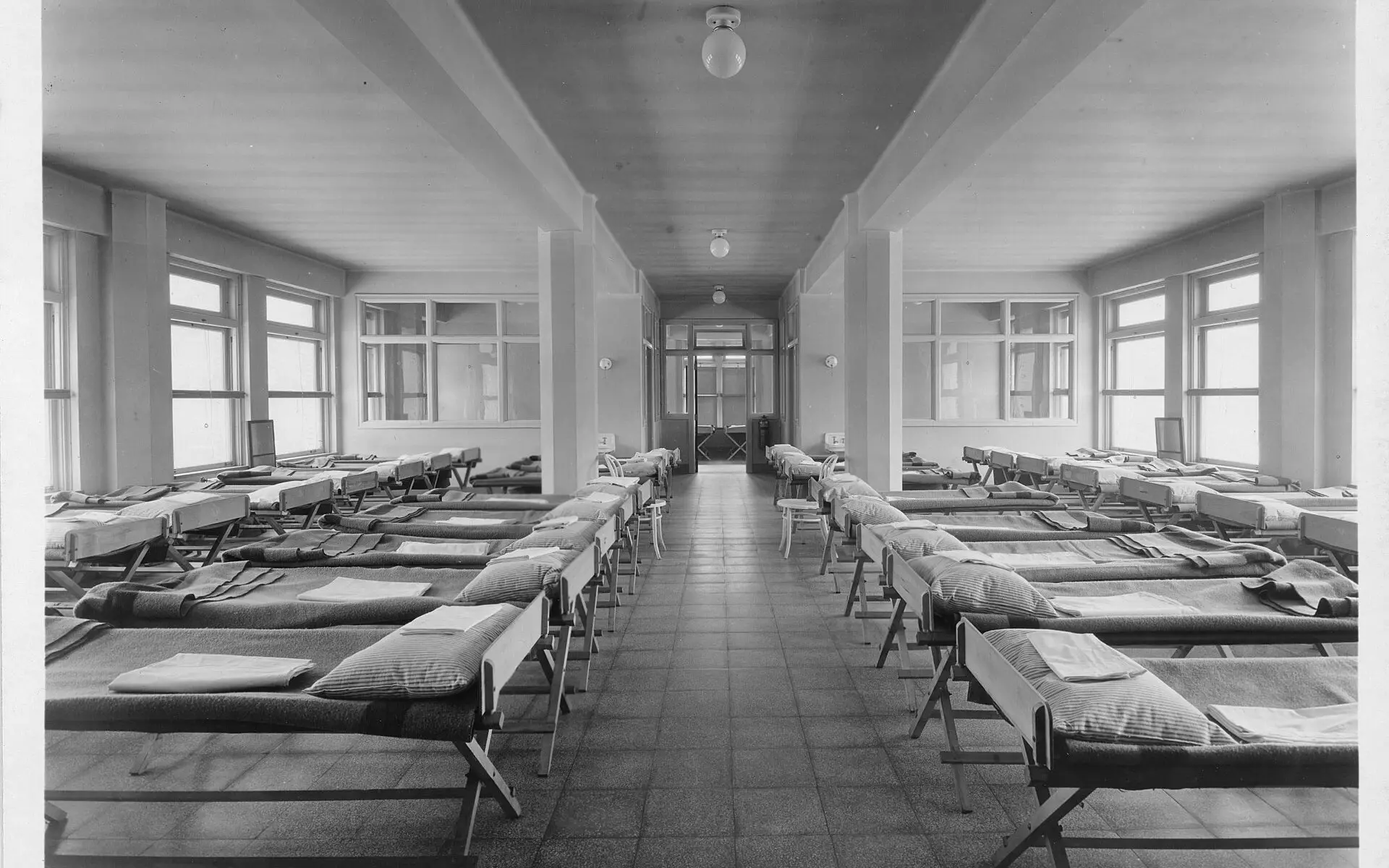
A night on a surgical ward is the experience that a same day operation spares a patient, and moving spine procedures into ambulatory surgery centers was the theme of a talk Sanjay Kumar Khurana gave to surgeons in Chicago in 2016. For those who do stay, the night is rarely quiet. A Columbia Surgery report on hospital sleep1 lists what a recovering patient can expect between dusk and dawn: checks of vital signs, scheduled doses, blood draws and visits from the rounding team, often several of each. Staff and equipment add their own noise, and neighbors in shared rooms wake when someone else is being tested. The report calls broken sleep normalized in the one place where it is needed most.
Why sleep belongs to recovery
Sleep is not a pause in treatment but part of it. The Columbia piece recalls a New York Times article that invited readers to picture sleep as a steady treatment running all night to speed healing. The Columbia report notes that studies link disrupted sleep to slower wound healing, and that sleep supports the handling of pain and the ability to retain information, such as instructions given before discharge1. The Sleep Health Foundation, an Australian charity, explains in a fact sheet on hospital sleep2 that rest helps the body repair tissue and build immunity, and that a rested patient copes better with the stress a hospital stay brings to everyone around the bed.
The same fact sheet describes a quieter hazard. A serious illness or operation can be the moment a person starts sleeping badly for months, which can turn into chronic insomnia after going home2. That makes the hospital nights a starting point for habits that outlast the stay. The way anesthesia itself changes brain activity, a separate state from sleep, is described in How Anesthesia Works.
What keeps patients awake
Much of the disturbance comes from routine and from the sheer volume of work on a busy ward. The colorectal surgeon Debby Keller told Columbia that it makes little sense to wake a recovering patient again and again overnight for checks that could be arranged differently, and the breast surgeon Michelle Azu described an "order then do" habit in which care is delivered as soon as it is requested1. Hospital rooms, the surgeons added, are seldom built to block sound from corridors, machines and other patients.
The people giving care are short of sleep too. When interns were surveyed before and after their first year of internal medicine residency in 2002, the share reporting chronic sleep deprivation and emotional exhaustion rose sharply, the Columbia report notes1. Residents now work under hour limits, Azu observed, but attending physicians have none, unlike airline pilots.
Pressure on beds adds another layer. A 2020 STAT report3 describes how operational holdups at Beth Israel Deaconess Medical Center in Boston left patients in beds after they were ready to leave, so newcomers were placed wherever a bed was free, even on a ward poorly suited to them. The hospital was building an artificial intelligence model to suggest the right bed for each patient from admission onward.
Changes surgeons and sleep researchers propose
Keller argued that wards should be redesigned with soundproofed rooms and that overnight protocols should be rewritten around the patient, while Azu suggested saving routine exams and tests for the morning where possible1. Neither surgeon claimed it would be simple, and Azu said plainly that no easy fix exists, because coordination is needed both inside each hospital and in national standards. Keller noted that sleep is already one of the principles of the prehabilitation program her service uses before planned colorectal operations.
“Sleep should be prioritized over testing, when appropriate”Debby Keller, colorectal surgeon, to Columbia Surgery, Columbia Surgery
The Sleep Health Foundation has drafted suggestions for hospital managers covering noise, lighting and the timing of ward activity2. Its fact sheet says most hospitals aim to begin a nightly settling period at about 10 p.m., sometimes with an afternoon rest period as well. It also explains why long naps late in the day backfire: they lower the sleep pressure that builds up through waking hours, leaving night sleep lighter and more broken. Daylight helps keep the body clock on schedule, so even opening the curtains each morning matters.
| What happens | Proposed remedy | |
|---|---|---|
| Overnight checks | Vital signs and tests through the night | Move routine work to the morning when safe |
| Noise | Staff, machines and neighbors | Soundproofed rooms and quiet hours |
| Light | Lit corridors and screens | Dim light before bed, daylight by morning |
| Napping | Long naps late in the day | Shorter, earlier rest |
Preparation now often starts before admission. Columbia's surgeons fold sleep into prehabilitation, and a 2023 New York Times article4 describes physical therapy as a step some patients and clinicians weigh before deciding on an operation at all. A 2014 Forbes profile of the physician Joshua Liu5 describes his app SeamlessMD, which replaced paper instructions with reminders before and after surgery and was then running in hospitals in Houston and Toronto.
What families can ask for
The sources suggest several things a patient or family can raise with the ward team. The Sleep Health Foundation describes a night pack of eye mask and ear plugs that some hospitals supply and that a relative can bring, and it encourages patients to talk through comfort and pain control with the nurse before lights out2. Families can respect visiting hours and keep phones silent in shared rooms. Keller's and Azu's comments suggest it is reasonable to ask whether a given overnight check can wait until morning1.
Families can also ask what happens after discharge. The mathematician Deb Brandon, writing in a 2017 STAT essay6 after three brain operations, described coming home with scattered referrals and no plan, and building her own recovery routine with help from friends, including ear plugs for noisy places. Liu's app was designed so a nurse could follow a patient's progress at home and tell ordinary soreness from a reason to come back5. For one kind of operation, the steps after leaving are summarized in Recovery After Endoscopic Surgery.
Sources cited
- Surgeons Urge a Culture Shift to Protect Sleep in the Hospital. Columbia Surgery.
- Towards Better Sleep While in Hospital | Sleep Health Foundation. Sleep Health Foundation.
- Hospitals deploy AI to send patients home earlier , and keep them there. STAT, 2020.
- When to Try Physical Therapy Before Surgery (Published 2023). The New York Times, 2023.
- Recovering From Surgery? There's An App For That. Forbes, 2014.
- With little help from doctors, I mapped my recovery from brain surgery. STAT, 2017.
Selected outlets
- Columbia SurgerySurgeons Urge a Culture Shift to Protect Sleep in the Hospital
- Sleep Health FoundationTowards Better Sleep While in Hospital | Sleep Health Foundation
- STATHospitals deploy AI to send patients home earlier , and keep them there
- The New York TimesWhen to Try Physical Therapy Before Surgery (Published 2023)
- ForbesRecovering From Surgery? There's An App For That
Nearby entries
- 01
How Anesthesia Works
Brain networks fall out of step, alpha rhythms appear, and age reshapes the pattern under general anesthesia.
- 02
Recovery After Endoscopic Surgery
Rest, discharge papers and follow up at home, with a pointer to the detailed article on his practice site.
- 03

Ether Day
The Boston operating theater, the dentist, the rival claims and the ether that made quiet surgery possible.


