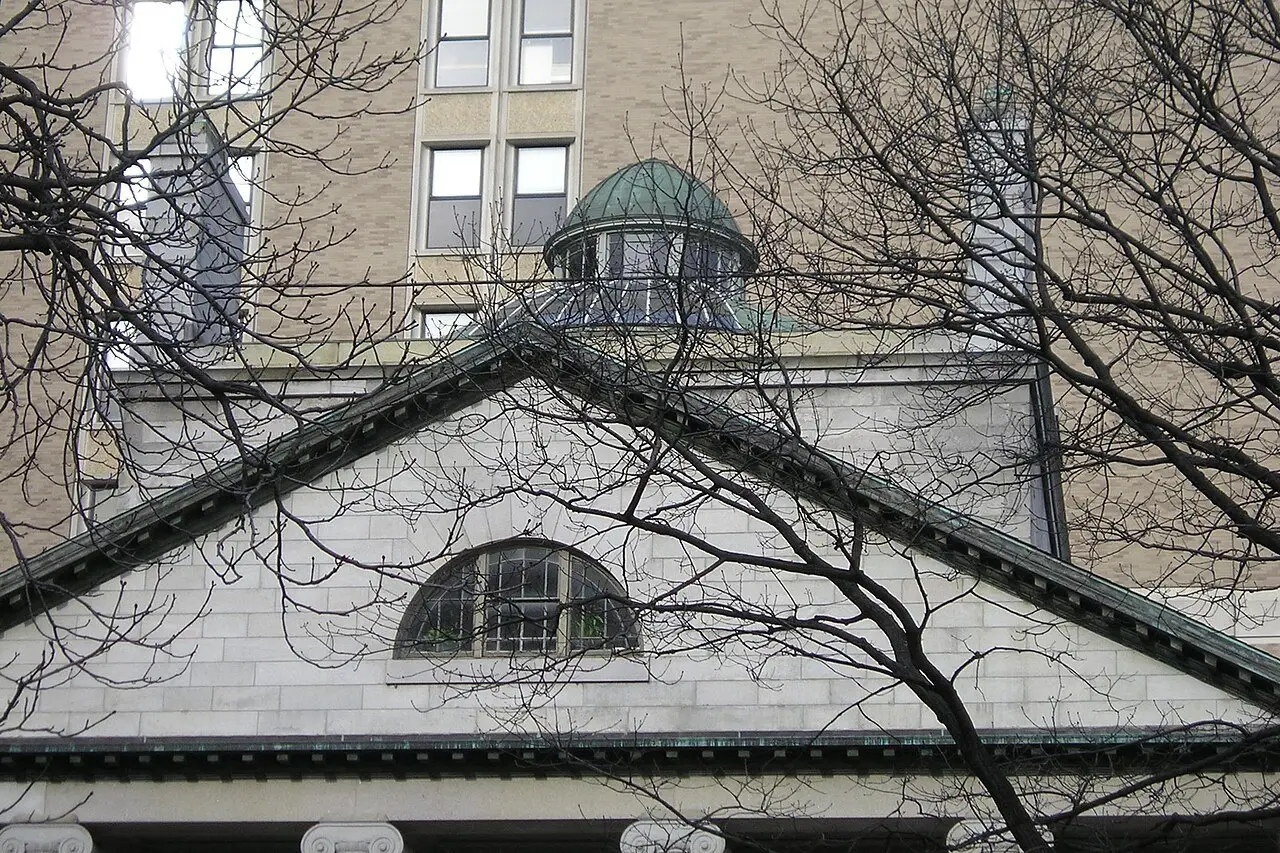
The operating theater under a glass dome at Massachusetts General Hospital still stands, and the anesthesia first shown there in 1846 is the ground beneath the outpatient spine surgery that Sanjay Kumar Khurana has described to fellow surgeons in talks since 2013. The room sat at the top of the building because the dome let in the best light for operating, as a 2019 history by the psychologist Roger K. Thomas in The Conversation1 explains. The hospital now keeps it as a museum called the Ether Dome. According to an essay by Joe Schwarcz for the McGill Office for Science and Society2, a visitor can still see the chair in which the first patient sat, its stains said to date from the operation itself.
Surgery before anesthesia
Before the 1840s an American surgeon had no reliable way to stop pain during an operation. Patients were held down by straps and assistants, and the surgeon cut as fast as he could to shorten the ordeal2. Mesmerism, a form of hypnosis, was taught at some medical schools, but doctors regarded it as unreliable1. A University of Massachusetts library guide lists the other aids people had tried over the centuries, from alcohol and mandrake to acupuncture and pressure on the carotid artery in the neck3.
Many operations were watched by crowds. A Popular Science look back at operating theaters4 describes surgeons performing in tiered amphitheaters, narrating to the audience while patients writhed. The Wood Library Museum of Anesthesiology sums up the result plainly: surgery was dreadful to endure and was kept as a last resort5.
A liquid known for three centuries
Ether itself was old news by 1846. The Wood Library Museum's catalog entry on a Squibb ether can5 traces the first published method for making it to a book by the young German physician Valerius Cordus, who lived from 1515 to 1544 and called the substance sweet oil of vitriol. The library guide dates his synthesis to 1540 and adds that Paracelsus had given ether to animals in 15253. The word "ether" is thought to come from a 1730 paper by the chemist August Sigmund Frobenius5.
For roughly two centuries people rubbed ether on the skin, swallowed it for toothache or whooping cough, and breathed it for chest complaints. In the early 1800s young people also inhaled it for fun at parties known as ether frolics5. Those parties mattered later, because guests noticed that bumps and falls did not hurt while they were under its influence1.
How a Boston dentist reached the dome
William Thomas Green Morton, born in 1819, was a dentist rather than a surgeon. Harvard's Countway Library exhibit on Morton and Charles T. Jackson6 records that he shared a short dental partnership with Horace Wells in 1843, opened his own practice at 19 Tremont Street, and studied medicine with Jackson, a chemist, from 1844. He attended Harvard Medical School for two sessions without taking a degree. In July 1844, on Jackson's advice, he used a form of ether to dull a patient's tooth while filling it.
By the end of June 1846 Morton had handed his practice to an associate, saying a new discovery would take all his time. He tested ether on students and on dogs, and in September he asked an instrument maker named Joseph Wightman about a device for giving a vapor to patients6. A year earlier Wells had tried to show a different gas in front of Warren and his staff, and it collapsed when the patient cried out, probably because the gas had not had time to work2.
October 16, 1846
On that morning physicians gathered to watch the chief of surgery, John Collins Warren, remove a growth from the neck of a young man named Edward Gilbert Abbott while Morton gave him ether2. Warren expected the usual struggle and heard silence instead. He then turned to the room with a remark that has been repeated ever since.
“Gentlemen, this is no humbug!”John Collins Warren, as recounted by Joe Schwarcz, McGill University
A physician in the audience hurried the news to newspapers and journals1. The surgeon Henry Jacob Bigelow published an account titled "Insensibility during surgical operations produced by inhalation" in The Boston Medical and Surgical Journal that same year3. Soon afterward the Harvard professor Oliver Wendell Holmes proposed the word "anesthesia," from Greek roots meaning without perception2. The library guide stresses that Morton's lasting contribution was a crude but deliberate way to regulate how much vapor a patient breathed3.
Who was really first
Morton was not the first person to put a patient to sleep for an operation, and the sources disagree about how much that matters. On March 30, 1842, the country physician Crawford Williamson Long removed a growth from the neck of James Venable in Jefferson, Georgia, using ether1. Thomas argues that Long deserves the credit, noting that he had six witnesses in his office. Long waited until 1849 to publish, first because he wanted more cases, including comparisons in which one growth on the same patient was removed with ether and another without.
Schwarcz takes the more common view that Morton's bold public showing earned him the credit for bringing general anesthesia into medicine2. He also points further back, to October 13, 1804, when the Japanese surgeon Seishu Hanaoka operated on a breast tumor after giving his patient an herbal potion he had refined over ten years of experiments. The quarrel in Boston was bitter as well. Jackson called Morton a swindler, Morton tried to patent ether under the disguised name Letheon, and Holmes joked that the city's Ether Monument of 1868 honored ether, or either of the two men1. Georgia placed a statue of Long in the United States Capitol in 1926.
| Crawford Long | William Morton | |
|---|---|---|
| Date | March 30, 1842 | October 16, 1846 |
| Place | His office in Jefferson, Georgia | Massachusetts General Hospital, Boston |
| Patient | James Venable | Edward Gilbert Abbott |
| Audience | Six witnesses | A hospital theater of physicians |
| Published | 1849, after collecting more cases | Reported to the press within days |
What changed for patients
News of the Boston operation spread fast, and the technique was taken up around the world5. Early ether varied in quality, so results were unpredictable until the physician Edward Robinson Squibb published a method for making pure ether in 1856. He chose not to patent it, set up a laboratory in Brooklyn and made anesthetic ether the first product of his company. Ether had drawbacks, including its flammability, a slow start and nausea afterward, yet it was not fully retired until the 1970s.
- 1540Valerius Cordus produces ether, which he calls sweet oil of vitriol
- 1730Frobenius publishes the paper thought to coin the word ether
- 1804Seishu Hanaoka operates in Japan after an herbal potion
- 1842Crawford Long uses ether during an operation in Georgia
- 1846Morton gives ether in the Ether Dome while Warren operates
- 1856Squibb publishes a method for making pure ether
- 1970sNewer agents finally replace ether
For patients the change went beyond the absence of pain. An operation no longer had to be a race, so surgeons could work slowly and attempt procedures they would never have tried on a conscious person, a door that the UMass guide says the Abbott case opened3. The crowds thinned too. Popular Science notes that anesthesia had drained much of the drama from the amphitheater by the late nineteenth century, and that germ theory later moved spectators behind glass4. The quiet rooms of today's hospitals, and the careful planning described in Rest in Hospital, descend from that silence in Boston, as does the slow, exacting work behind the machines described in Surgical Robots. The science of what ether actually does to the brain is taken up in How Anesthesia Works.
Sources cited
- The surprising (and Long) story of the first use of ether in surgery. The Conversation, 2019.
- The History of Anesthesia Will Knock You Out. McGill University.
- Resource Guides: The First Operation with Ether: A Historical and Medical Perspective: History of Anesthesia. UMass Chan Medical School.
- When surgery was a public spectacle. Popular Science, 2024.
- Ether Wood Library Museum of Anesthesiology (WLM). Wood Library Museum of Anesthesiology, 2021.
- W. T. G. Morton and Charles T. Jackson · Strange Magic of the Enchanted Goblet · OnView. Harvard University.
Selected outlets
- The ConversationThe surprising (and Long) story of the first use of ether in surgery
- McGill UniversityThe History of Anesthesia Will Knock You Out
- UMass Chan Medical SchoolResource Guides: The First Operation with Ether: A Historical and Medical Perspective: History of Anesthesia
- Popular ScienceWhen surgery was a public spectacle
- Wood Library Museum of AnesthesiologyEther Wood Library Museum of Anesthesiology (WLM)
- Harvard UniversityW. T. G. Morton and Charles T. Jackson · Strange Magic of the Enchanted Goblet · OnView
Nearby entries
- 01
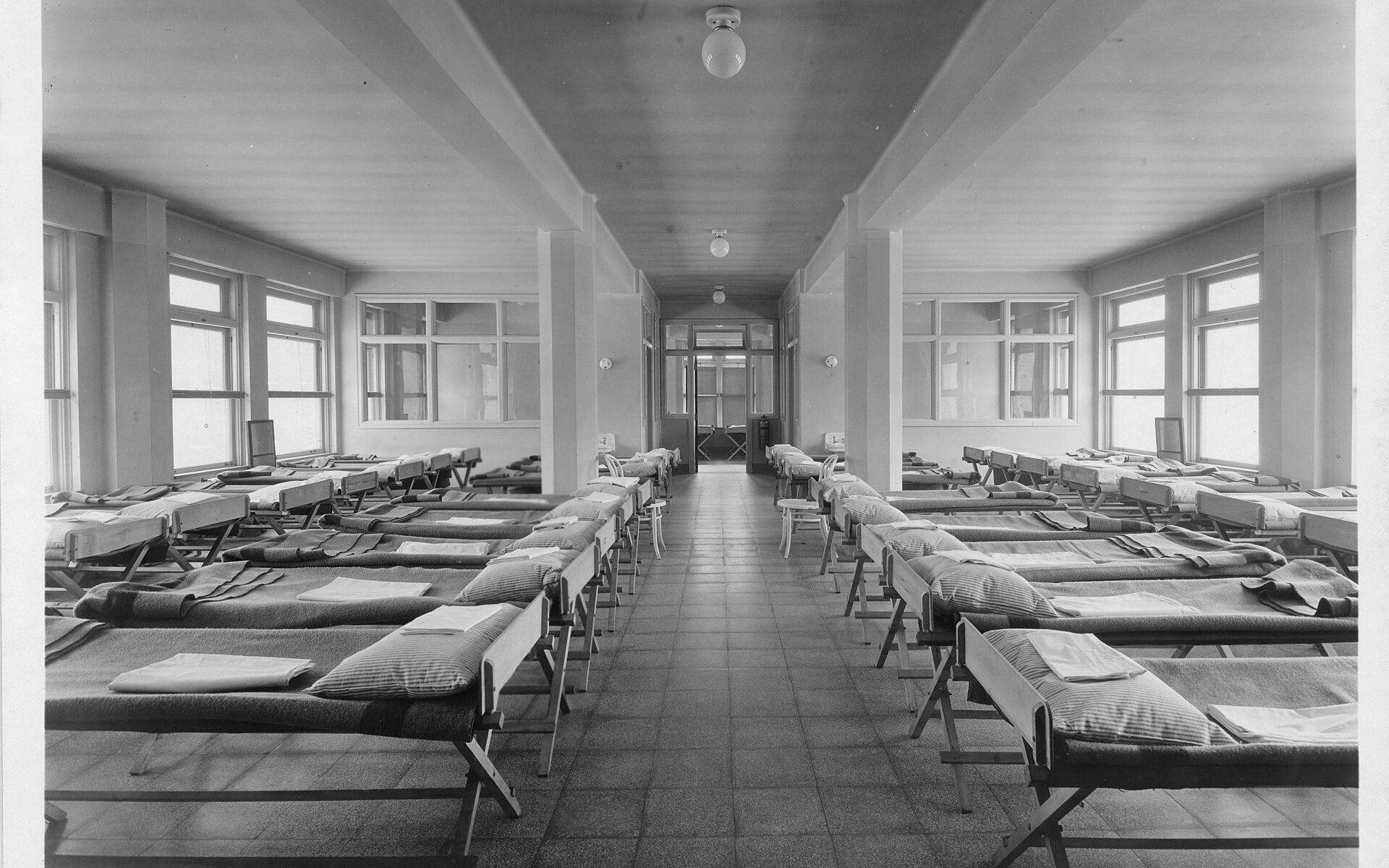
Rest in Hospital
Overnight checks, beeping machines and shared rooms, and the case for treating sleep as part of care.
- 02
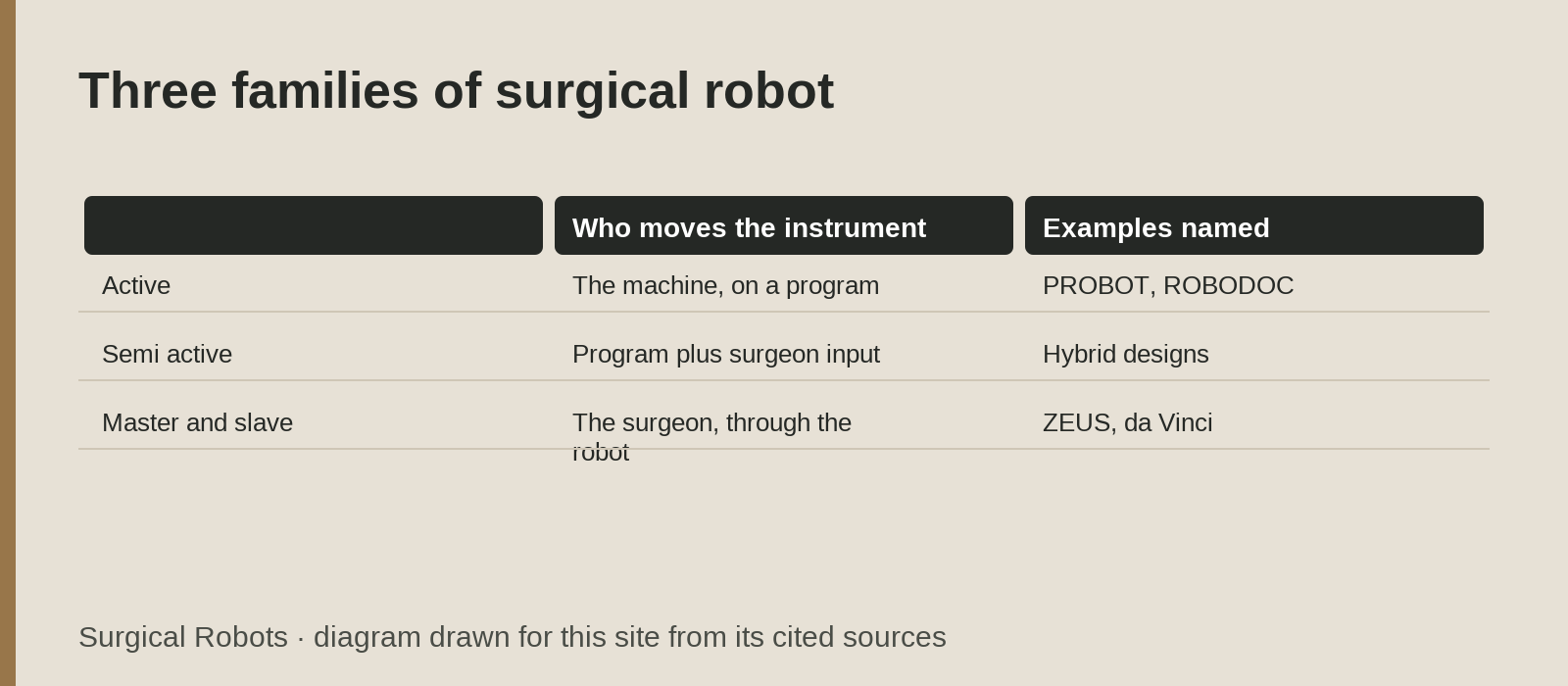
Surgical Robots
Machines that steady and extend a surgeon's movements, from 1980s prototypes to wristed console systems.
- 03
Getting Ready for Surgery
Physical therapy trials, walking studies, posture research and phone reminders in the run up to an operation.

