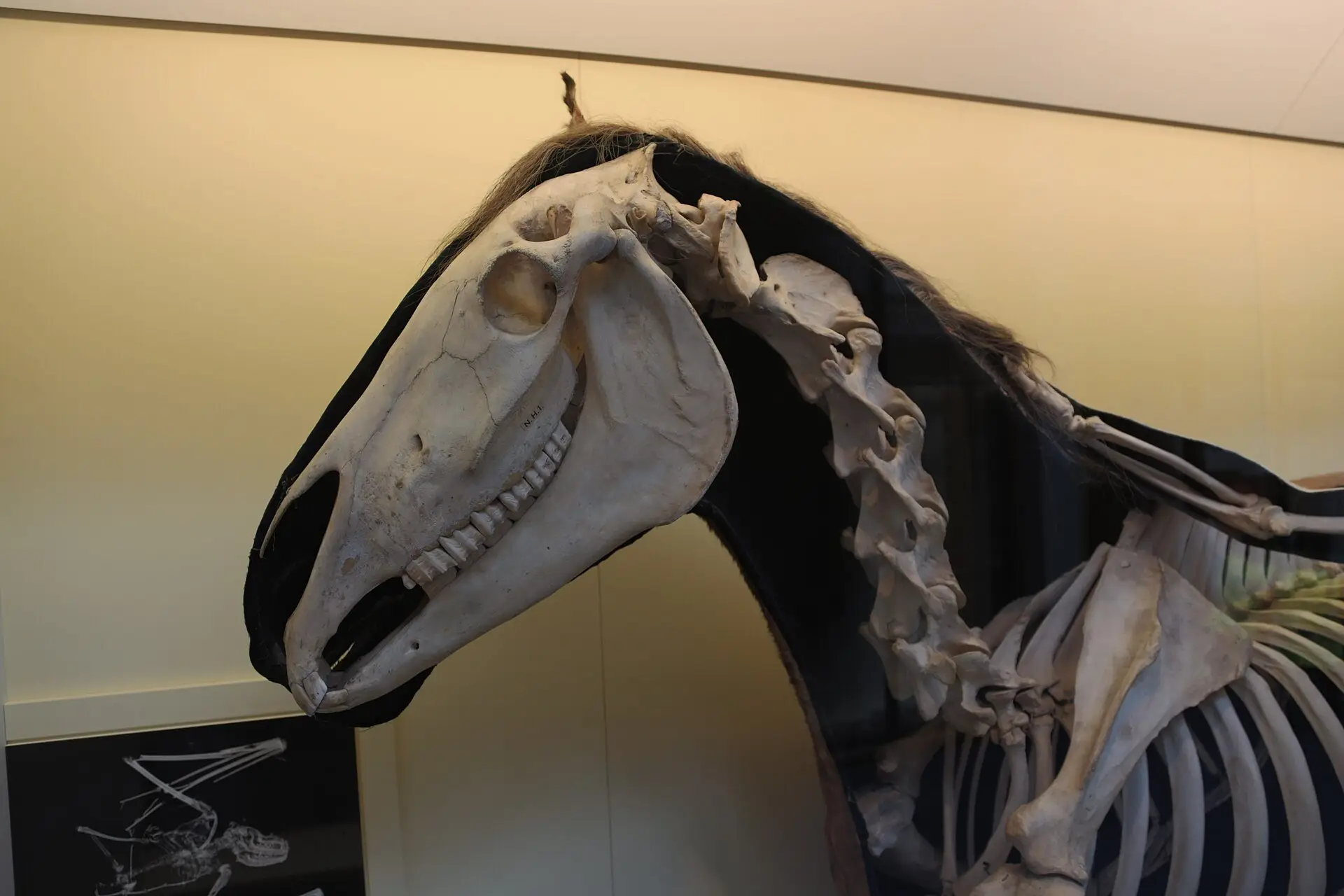
A giraffe bending to drink at a waterhole lowers its head on just seven neck vertebrae, the same number found in the human cervical spine, a region whose disorders Sanjay Kumar Khurana lists among his clinical interests. The drop is a large one. The Giraffe Conservation Foundation1 notes that a standing giraffe's brain sits about two meters above a heart that can weigh 11 kilograms and pumps at nearly twice the blood pressure of a typical mammal, and that a web of vessels in the upper neck, the rete mirabile, keeps blood from flooding the brain when the head goes down to the water. Seven bones, lengthened, carry all of that.
Seven bones, each one long
A BBC Bitesize fact file on giraffes2 states plainly that the giraffe neck holds seven cervical vertebrae, the count found in nearly every mammal, which gives a giraffe the same number of neck bones as a house mouse or a person. What changes from one animal to the next is size. Each giraffe vertebra can reach about 25 centimeters, according to the conservation foundation1. The BBC gives average heights of roughly 5.5 meters for males and 4.5 meters for females, with calves born about 1.8 meters tall and close to full height by age four.
What the giraffe neck is for
The oldest explanation is food. A long neck reaches leaves, shoots and flowers that almost no other browser can touch, elephants aside, and so opens a supply with little competition1. The BBC describes the same idea in evolutionary terms: giraffes born with longer necks ate better, bred more and slowly replaced the shorter necked ones2.
Fighting offers a rival account. Male giraffes swing their heads like clubs at each other's bodies in contests called necking, which an NPR column by Robert Krulwich3 describes from a safari in Tanzania. In a 1996 study the zoologists Robert Simmons and Lue Scheepers argued that giraffes do most of their feeding lower down and that heavier necked males won more matings, a proposal nicknamed "Necks for Sex." A second group of researchers later returned to the field, found giraffes feeding high as well as low, and confirmed a feeding advantage; a 2013 paper from much the same group reported that the longest necked males do not always win their bouts. The foundation's own summary describes a neck serving several jobs at once, including food, combat and keeping watch, and says scientists still debate which counted most.
- 1987Partial skeleton of Mamenchisaurus sinocanadorum found in northwest China
- 1996Simmons and Scheepers propose that combat, not feeding, lengthened giraffe necks
- 2010Cambridge study explains the extra neck vertebrae of sloths
- 2013Complete Xinjiangtitan column unearthed; a giraffe paper finds big necks do not always win
- 2021CT scans reveal spoked struts inside azhdarchid pterosaur neck vertebrae
- 2023Mamenchisaurus neck estimated at nearly 50 feet
The gerenuk, an antelope named for a giraffe
In Somali, gerenuk means "giraffe necked," and Britannica's entry on the animal7 calls it the longest necked member of the gazelle tribe. It lives in the dry thornbush of the Horn of Africa, stands 80 to 105 centimeters at the shoulder, and nibbles small leaves from thorny shrubs. Its neck alone does not explain its reach. Modified lumbar vertebrae, strong hind legs and wedge shaped hooves let it stand upright on its hind legs without support, the only antelope able to do so, and browse foliage other antelopes miss. That moist diet frees it from the waterhole: Britannica notes its numbers can even rise with distance from permanent water.
Sloths, the mammals that break the rule
Sloths are the famous exception. As a 2010 New York Times report4 explained, they can carry as many as ten vertebrae above the shoulders. Researchers at the University of Cambridge, publishing in the Proceedings of the National Academy of Sciences, traced where bone begins to form along the developing column and found that the lowest sloth "neck" vertebrae develop like the first chest vertebrae of other mammals, simply without ribs. All mammals, sloths included, form the eighth vertebra down from the head on a similar schedule. In sloths, the shoulders, pelvis and ribbed section moved down the column together over evolutionary time, the researchers said, which lengthened the neck. Robert Asher of the Cambridge zoology department described the extra bones as chest vertebrae posing as neck vertebrae.
“made giraffes look like amateur competitors in the longest neck competition”David Martill and Cariad Williams, writing in The Conversation, The Conversation
Reptiles that went further
Animals outside the mammals were never held to seven. In a 2021 article for The Conversation6, the palaeobiologist David Martill and Cariad Williams describe three routes to a long neck: more cervical vertebrae, longer ones, or both, the last being the sauropod approach. They give sauropod necks up to 11 meters, plesiosaur necks up to seven and the reptile Tanystropheus about three. A 2023 study led by Andrew Moore of Stony Brook University, reported by The New York Times5, pushed the record further, estimating that Mamenchisaurus sinocanadorum, which lived in what is now China about 162 million years ago, had a neck of nearly 50 feet. The estimate rests on a partial skeleton found in 1987 and on close relatives such as Xinjiangtitan, whose complete column, unearthed in 2013, includes a neck of nearly 44 feet.
The two sources disagree on the ceiling because they come from different years: the 2021 figure predates the new estimate. Flying reptiles faced a harder problem, since they could not add weight. Azhdarchid pterosaurs, with wingspans up to 12 meters, had necks longer than a giraffe's. CT scans of five vertebrae from the Kem Kem beds of eastern Morocco showed thin, air filled bones braced inside by radial and spiralling struts arranged like the spokes of a bicycle wheel, holding a central tube for the spinal cord6.
What the human neck shares with them
The human neck follows the mammal plan exactly, with seven vertebrae like the giraffe and the mouse2. It also shares the timing the Cambridge team found across mammals, sloths included, in which the eighth vertebra down from the head forms on a similar schedule4. And each human vertebra, like the pterosaur's, frames a channel for the spinal cord, although in most backboned animals that channel runs over the vertebral body rather than through its middle, as Martill and Williams point out6. What separates a human neck from a giraffe's, then, is the size of each piece rather than the number. The layout of those seven bones is covered in the anatomy of the neck, their deeper history in human spine evolution, and the everyday habits of carrying them in posture myths.
Sources cited
- Why do giraffe have such a long neck? Giraffe Conservation Foundation. Giraffe Conservation Foundation, 2024.
- How many bones are in a giraffe's neck and other facts BBC Bitesize. BBC, 2025.
- No Fists, Gentlemen, Just Necks. The Ali & Frazier Of The Giraffe World. NPR, 2013.
- Cracking the Mystery of How Sloths Got Long Necks (Published 2010). The New York Times, 2010.
- It’s Not a Stretch: This Dinosaur Had a 50 Foot Neck (Published 2023). The New York Times, 2023.
- Largest ever flying creatures had longer necks than giraffes , we found out how these pterosaurs kept their heads up. The Conversation, 2021.
- Gerenuk | Antelope, Long Necked Mammal | Britannica. Encyclopaedia Britannica, 1998.
Selected outlets
- Giraffe Conservation FoundationWhy do giraffe have such a long neck? Giraffe Conservation Foundation
- BBCHow many bones are in a giraffe's neck and other facts BBC Bitesize
- NPRNo Fists, Gentlemen, Just Necks. The Ali & Frazier Of The Giraffe World
- The New York TimesCracking the Mystery of How Sloths Got Long Necks (Published 2010)
- The ConversationLargest ever flying creatures had longer necks than giraffes , we found out how these pterosaurs kept their heads up
- Encyclopaedia BritannicaGerenuk | Antelope, Long Necked Mammal | Britannica
Nearby entries
- 01
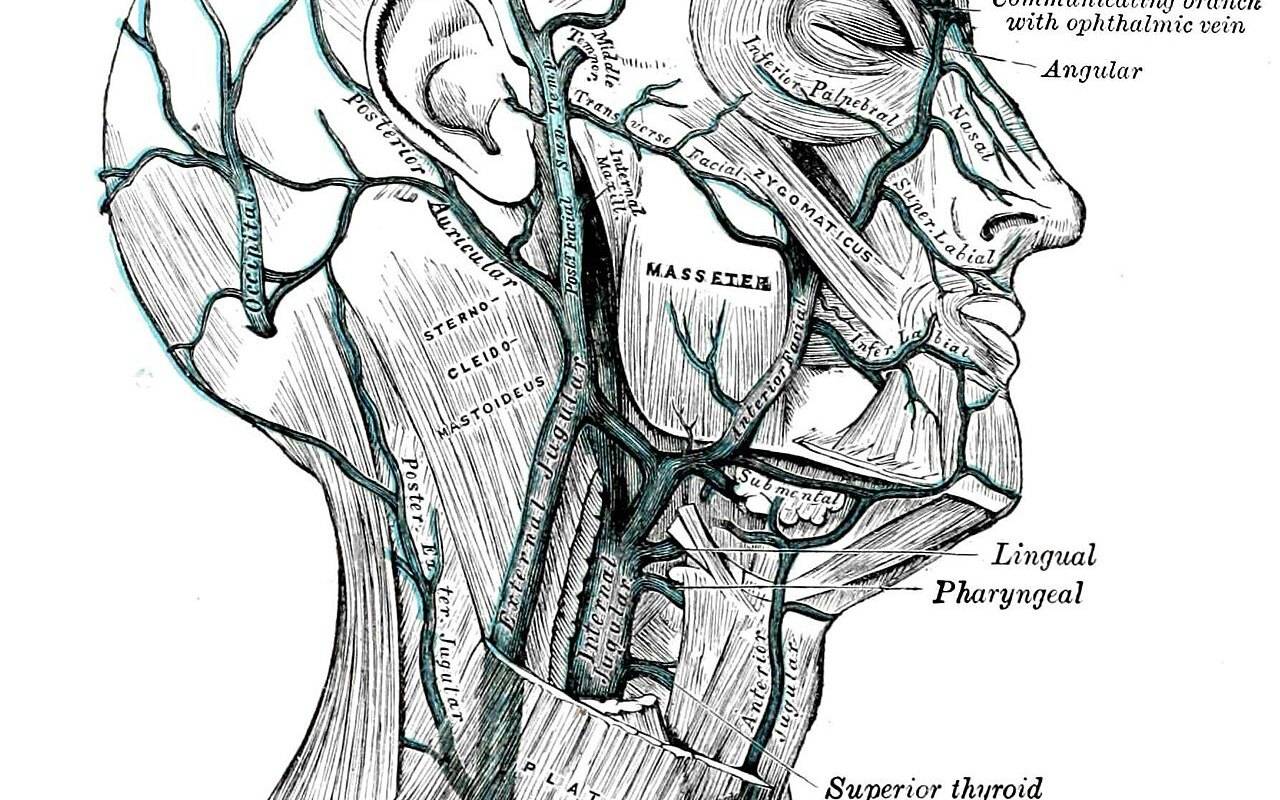
Anatomy of the Neck
Bones, muscles, cord and nerves of the neck, and the filing systems anatomists use for them.
- 02
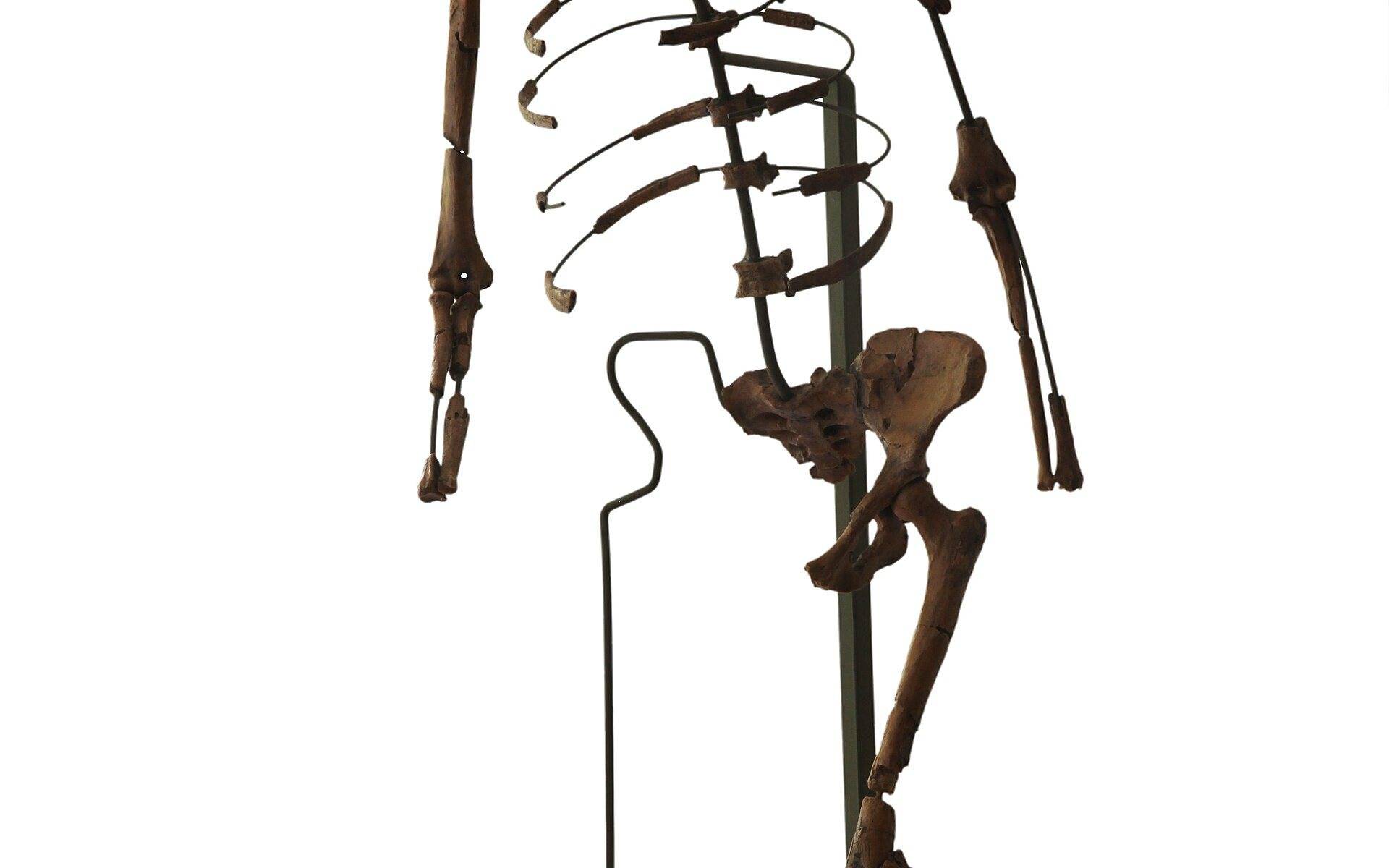
How the Human Spine Evolved
Fossils, chimpanzees and ancient scribes show how walking on two legs bent the backbone into curves.
- 03
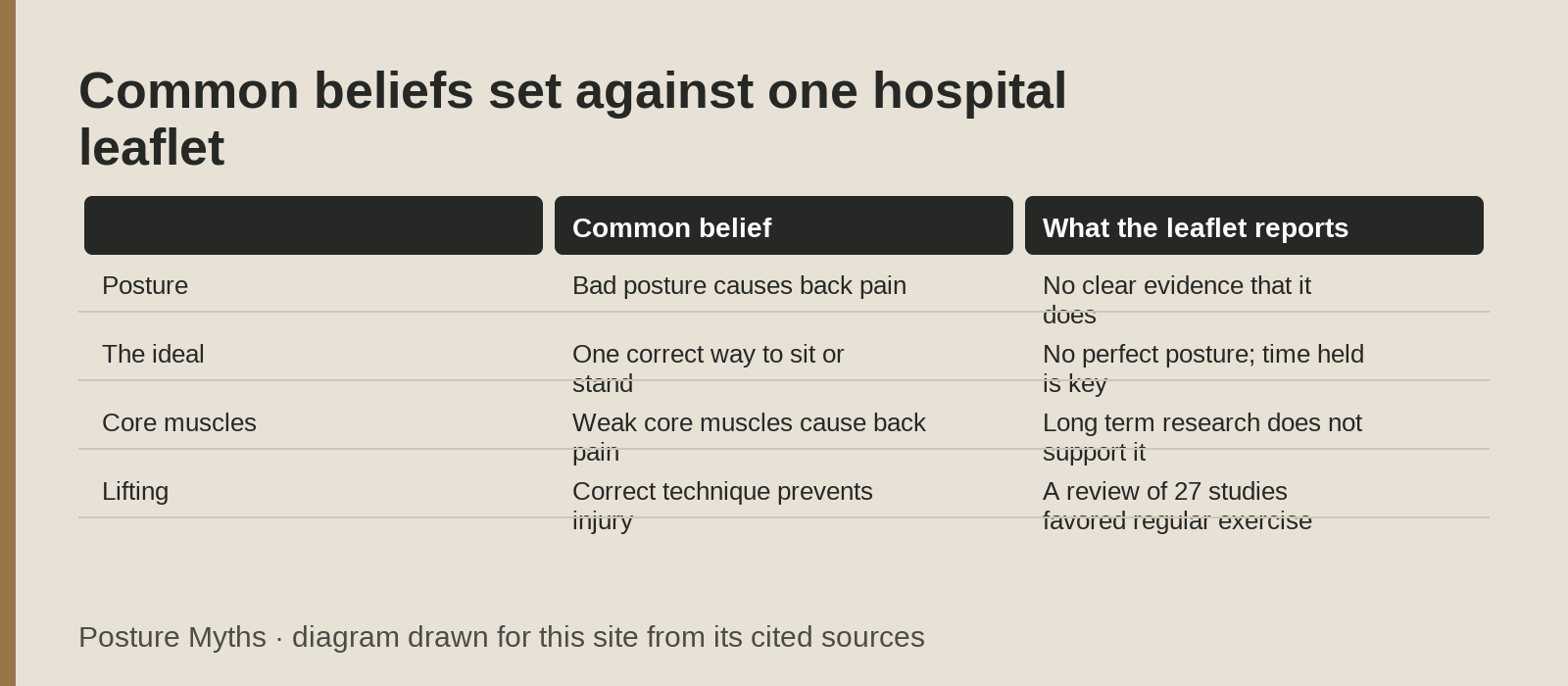
Posture Myths
From Old Kingdom scribes to the office chair, the case against a single correct way to sit or stand.


